
The Biggest Grab Bar Mistakes Homeowners Make — and Why They're More Dangerous Than You Think
- Jun 18
- 8 min read
When a family member struggles to get in and out of the shower or push up from the toilet, grab bars feel like the obvious fix. And they are — but only when they're chosen and installed correctly. The grab bar mistakes homeowners commonly make aren't minor oversights. They can cause a grab bar to pull clean out of the wall at the worst possible moment, leaving someone with a serious injury instead of the support they needed.

At Grab Bar Los Angeles (https://www.grabbarlosangeles.com/), we've seen nearly every mistake in the book — the towel bar used as a grab bar, the anchor drilled into hollow drywall, the bar positioned 10 inches too high for the person using it. This post breaks down the most dangerous and most common errors so you can avoid them in your own home.
Quick Stats:
3M+ seniors treated in U.S. ERs annually for fall injuries
80% of senior falls happen in the bathroom — the most dangerous room at home
250 lbs minimum ADA-required load capacity for every compliant grab bar
Sources: CDC Falls Prevention Data (https://www.cdc.gov/falls/index.html) | U.S. Access Board ADA Standards (https://www.access-board.gov/ada/)
Mistake 1:

This is the single most dangerous mistake on this list, and it happens more than you'd think. Decorative towel bars and soap dishes are attached to the wall with small screws designed for light loads — definitely not a person's full body weight during a fall. A standard towel bar is rated for only a few pounds. The moment someone grabs it for balance, it rips out of the wall.
Genuine grab bars are engineered to withstand a minimum of 250 pounds of force per ADA standards. They're anchored into wall studs or reinforced blocking — not just drywall. If you have a towel bar in your shower that a family member has been leaning on for balance, replace it immediately.
What to Do Instead
Choose a certified grab bar that clearly states its weight capacity. Look for stainless steel construction with a textured, non-slip grip surface. And always have it installed by a professional who can verify proper wall anchoring.
Mistake 2:

Even a perfectly rated grab bar becomes dangerous if it's attached to hollow drywall. Drywall anchors simply cannot handle the sudden, full-body load that occurs when someone grabs a bar during a fall. The screws strip out, the bar pulls away from the wall, and the person falls anyway — often harder than if there had been no bar at all.
"The wall anchoring must also support the weight — not just the bar itself. That's a detail many DIY installations overlook, and it's the detail that matters most when a fall actually happens."
The Right Approach
Grab bars should always be anchored to wall studs — typically spaced 16 inches apart in standard framing. When studs don't line up with ideal bar placement, a professional installer will add wood blocking behind the tile or drywall. This is a structural decision, not just a cosmetic one, which is why professional installation matters so much.
Learn more about our installation services: https://www.grabbarlosangeles.com/our-services
Mistake 3: Choosing the Wrong Grab Bar Placement for the User's Needs

Placement is everything. A grab bar mounted too high, too low, or in the wrong spot relative to the toilet or shower entry gives the user little practical support. This is a surprisingly common grab bar mistake — people guess at placement rather than measuring for the specific person who will be using it.
Where Grab Bars Actually Belong
Near the Toilet

ADA guidelines specify that toilet side-wall grab bars should be at least 42 inches long, placed 33–36 inches above the finished floor. The rear wall bar should be at least 36 inches long. These measurements support the critical sit-to-stand transition — the moment of highest fall risk near the toilet.
In the Shower or Tub
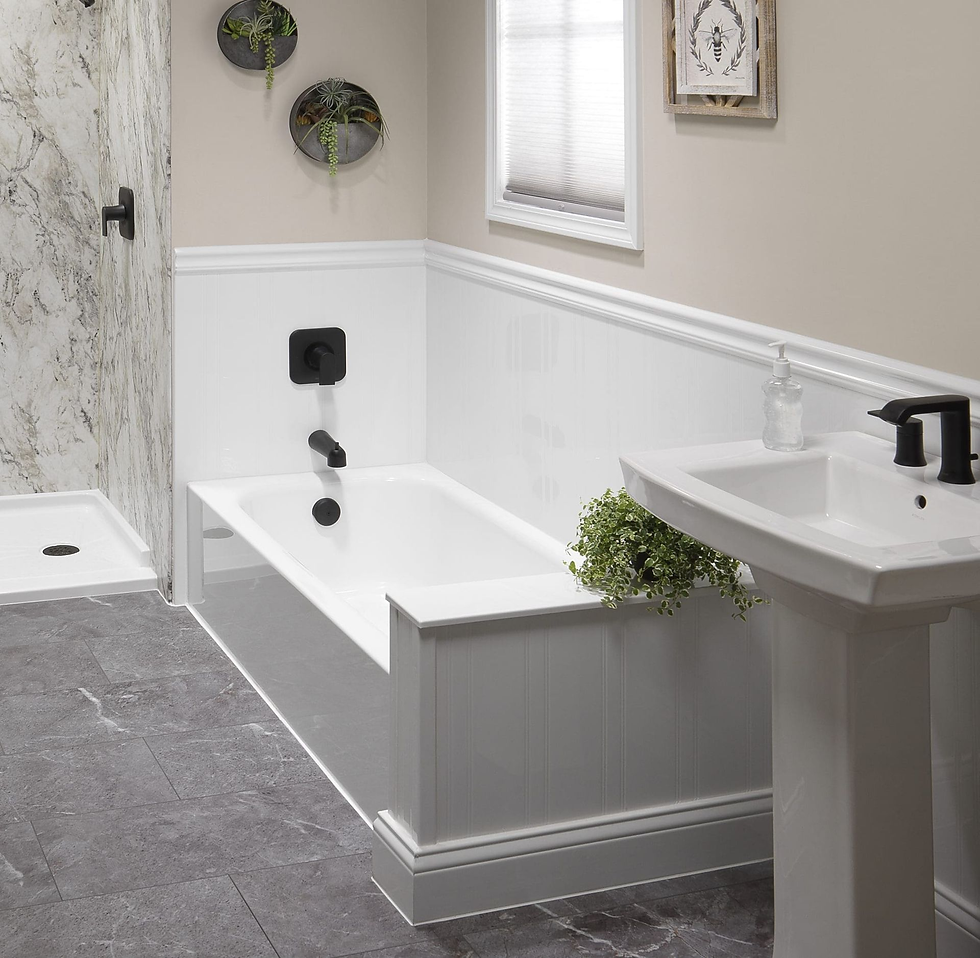
Shower grab bars should be placed on the back wall and control wall, positioned so the user can maintain balance while entering, standing, and exiting. For combination tub/shower units, a horizontal bar placed 33–36 inches from the base of the tub is standard, with a second bar higher up to support entry and exit.
At Bathroom Entrances

Many families overlook the threshold and doorway area — but the step into the bathroom and the pivot needed to close the door are both fall risks, especially for seniors with balance challenges.
For a deeper look at ADA-compliant placement, read our full
guide:https://www.grabbarlosangeles.com/post/understanding-ada-requirements-for-grab-bars-without-the-confusing-jargon
Mistake #4: Buying Grab Bars Based on Price Alone

The cheapest grab bars on the market are often made from thin chrome-plated steel or lightweight plastics that can bend or crack under load. In wet environments, low-quality finishes corrode quickly — and a corroded anchor point is a weak anchor point.
What to Look For in Quality Grab Bars
Material: 304 or 316 stainless steel for corrosion resistance in wet environments
Diameter: 1.25–1.5 inches (ADA-specified range for comfortable gripping)
Grip surface: Knurled or textured for wet-hand grip
Weight rating: Minimum 250 lbs, higher for bariatric needs
Finish: Brushed nickel, chrome, or oil-rubbed bronze for durability and aesthetics
For more on material options, the U.S. Access Board publishes the full ADA Standards for Accessible Design, including specifications for grab bar construction: https://www.access-board.gov/ada/
Mistake 5: Only Installing One Grab Bar When Multiple Are Needed
A single grab bar near the toilet is a start — but it leaves critical gaps. Falls don't happen only in one predictable spot. They happen when stepping over the tub threshold, when pivoting in a small shower stall, when reaching for the faucet while balance shifts. A complete safety assessment considers every transition point in the bathroom.
Common Areas That Get Overlooked
The entry and exit point of the shower or bathtub
Both sides of the toilet (where mobility allows)
The wall near the bathroom door
Stairways — both at the top and bottom landing
Our team offers full home safety modification assessments that go room by room, identifying every point where a grab bar or handrail could prevent a fall: https://www.grabbarlosangeles.com/home-modifications
Mistake 6: DIY Installation Without Verifying Wall Structure
We understand the instinct to handle it yourself — a grab bar kit from the hardware store, a power drill, and an afternoon. But bathroom walls hide plumbing, electrical conduits, and uneven stud placement. Drilling into the wrong spot can puncture pipes, and installing without confirming the anchor depth can leave you with a bar that feels solid until it suddenly isn't.
⚠ Important Safety Note: Ceramic and porcelain tile walls require specialized drill bits and techniques to avoid cracking — a cracked tile behind a grab bar installation can compromise waterproofing, leading to structural damage over time in addition to the safety risk.
Why Professional Installation Matters
A certified installer brings a stud finder, the right drill bits for tile, the knowledge to add blocking where needed, and the experience to position bars where they'll actually provide support. Most grab bar installations take under an hour per bar — but that hour of professional work protects years of daily use.
At Grab Bar Los Angeles, we're certified by the USC National Resource Center for Supportive Housing and Home Modification — one of the most recognized credentials in home accessibility work: https://keck.usc.edu/research/supportive-housing-home-modification/
Mistake 7: Waiting Until After an Injury to Install Grab Bars
This is perhaps the most understandable grab bar mistake, and also one of the most costly. Many families wait until after a parent breaks a hip or a spouse has a fall before calling for a safety assessment. By that point, the injury has happened, recovery is underway, and the home retrofit that could have prevented everything is installed too late.
The best time to install grab bars is before a fall occurs — especially when a family member is aging in place, recovering from surgery, living with a balance condition, or beginning to show the first signs of mobility change. Falls in the bathroom cause over 95% of hip fractures among older adults in the U.S., according to the CDC. Most of those are preventable.
Additional Mistakes Worth Mentioning
Not Considering the User's Height and Reach
Bar height should be customized to the person using it. A standard ADA height is a starting point, not a one-size answer. A tall user needs the bar positioned differently than a shorter one.
Choosing a Style That Blends In Too Well
Grab bars should be visually distinct enough that someone reaching in low light or during a moment of imbalance can actually find them. Ultra-recessed or completely color-matched bars can be missed in a disoriented moment.
Not Checking for Compatibility With Future Needs
Today's installation should account for tomorrow's needs. If someone is beginning to experience mobility changes, installing fold-down or adjustable bars now — rather than retrofitting again in two years — saves cost and disruption.
Frequently Asked Questions About Grab Bar Selection & Installation
Q: Can I use a regular towel bar as a grab bar in an emergency?
No. Towel bars are designed for lightweight loads — typically just a few pounds — and are not structurally anchored to support a person's weight. Even a small grab attempt during a stumble can rip a towel bar out of the wall, worsening a fall. Replace towel bars with certified grab bars in any area where someone might instinctively reach for support.
Q: How much weight should a grab bar support?
Per ADA standards, grab bars must support a minimum of 250 pounds of force without permanent deformation. For bariatric users, look for bars rated at 500 lbs or more. Critically, the wall mounting must also be rated to carry this load — not just the bar itself.
Q: What is the correct grab bar height next to a toilet?
ADA guidelines place toilet grab bars at 33–36 inches above the finished floor. The side-wall bar should be at least 42 inches long; the rear wall bar at least 36 inches. For residential use, the user's specific height and mobility should also factor into exact placement. A certified installer will measure for the individual.
Q: Can grab bars be installed in tile without cracking it?
Yes — with the right drill bits (typically carbide-tipped masonry bits), slow speed, and proper technique. Professional installers use methods specifically designed for ceramic and porcelain tile. DIY attempts without this knowledge frequently crack tile or grout, which can allow moisture infiltration behind the wall over time.
Q: How many grab bars does a bathroom typically need?
Most bathrooms benefit from at least 3–5 grab bars: one or two at the toilet (side wall and rear wall), one to two inside the shower or tub, and one at the tub threshold or shower entry. A professional home safety assessment will identify every transition point where support is needed based on the layout and the user's specific mobility.
Q: Are there grab bars that look like regular bathroom hardware?
Yes. Designer grab bars are available in styles that closely resemble towel bars, toilet paper holders, and other standard bathroom fixtures — but with full safety ratings and proper structural anchoring. At Grab Bar Los Angeles, we offer designer grab bar options that blend seamlessly with modern and traditional bathroom aesthetics while providing certified support: https://www.grabbarlosangeles.com/our-services
Q: Does insurance or Medicare cover grab bar installation in Los Angeles?
Standard Medicare (Parts A and B) typically does not cover grab bar installation as a preventive measure. However, some Medicare Advantage plans, Medi-Cal, and veteran's benefits programs do offer coverage for home safety modifications. Some California IHSS programs and nonprofit aging-in-place organizations also provide assistance. We recommend contacting your plan provider directly. The National Association of Area Agencies on Aging (n4a) is a good starting resource for local benefit programs: https://www.n4a.org/
Q: How long does a professional grab bar installation take?
Most grab bar installations are completed the same day. A single bar typically takes 30–60 minutes depending on wall type and blocking needs. A full bathroom assessment and multi-bar installation is usually completed within a few hours. We aim to disrupt your day as little as possible while making a lasting safety difference.
Related Posts
Bathroom Safety for Seniors: Prevent Falls and Serious Injuries
https://www.grabbarlosangeles.com/post/bathroom-safety-for-seniors
Understanding ADA Requirements for Grab Bars (Without the Confusing Jargon)
Senior Safety Tips & Bathroom Safety Resources for Families
Don't Wait for a Fall to Find Out Your Grab Bar Was Installed Wrong
Grab Bar Los Angeles offers professional, same-day installation across Los Angeles and Orange County — certified by the USC National Resource Center for Supportive Housing and Home Modification. We assess your space, recommend the right bars, and anchor every installation to support your full weight.
📞 Call us today: (818) 939-9615🌐 Schedule a free assessment: https://www.grabbarlosangeles.com/
Serving Los Angeles, Orange County & surrounding areas · Same-day availability · Labor warranty included


Comments