
How Grab Bars Help Seniors Stay Independent Longer at Home
Grab bars get talked about almost entirely as fall-prevention hardware — and they are that. But their real impact often shows up somewhere quieter: in the confidence to shower alone, use the bathroom without help, and keep doing daily routines without asking someone else to be nearby. Grab bars help seniors stay independent in ways that go well beyond the physical support itself.
Grab Bars Help Seniors Stay Independent — Not Just Safe

Safety and independence are related, but they're not the same thing. A senior who feels safe enough to shower alone, get up from the toilet unassisted, or move through a hallway without hesitation is experiencing something bigger than injury prevention — they're maintaining control over their own daily life.
Independence Is Often the Bigger Motivator
When families frame grab bars purely around fall statistics, seniors sometimes resist. Framing them around staying independent — doing things themselves, on their own schedule — tends to land differently.
The Psychology of Confidence at Home

Fear changes behavior quietly. A senior who's uncertain about their balance in the shower may start avoiding it, cutting bathing short, or waiting until someone else is home — all adjustments that shrink their independence well before an actual fall ever happens.
Confidence Is Built by Removing Specific Uncertainty
A grab bar doesn't just add physical support — it removes the specific moment of doubt that causes hesitation in the first place, which is often what restores someone's willingness to do things on their own again.
Where Grab Bars Support Daily Independence Beyond the Bathroom

Bathrooms get the most attention, and for good reason — but independence-supporting grab bars can matter in hallways, at entryways with steps, and along the path between a bedroom and bathroom used during the night.
The Bedroom-to-Bathroom Path Matters More Than People Expect
Nighttime trips between the bedroom and bathroom combine grogginess, dim lighting, and an unfamiliar level of alertness — a stretch of the home worth thinking about beyond just the bathroom itself.
Entryways and Steps
A secure handrail or grab bar at an entry step can be the difference between a senior confidently managing their own front door and needing someone else present every time they come and go.
How Grab Bars Can Help Delay or Avoid a Move to Assisted Living

For many families, the choice isn't really "grab bars or nothing" — it's "modest home modifications now, or a much bigger transition later." Addressing specific safety gaps at home is often what allows a senior to continue living independently for meaningfully longer than they otherwise could.
Small Changes, Bigger Timeline Impact
A single well-placed grab bar is a small investment relative to the cost, disruption, and emotional weight of an unplanned move to assisted living driven by a preventable fall.
Easing the Burden on Family Caregivers
Family caregivers often carry quiet, ongoing worry about a parent's safety during routine daily tasks. Grab bars don't eliminate that worry entirely, but they meaningfully reduce it — particularly for tasks a caregiver can't always be present for, like a shower taken while they're at work.
It's Relief for Both Sides
A parent gets to keep doing things independently; a caregiver gets a little less to worry about during the hours they can't be there. Our post on grab bars for fall prevention covers more on the caregiver side of this specifically.
Having the Conversation Without It Feeling Like a Loss of Independence

Bringing up grab bars can feel sensitive, since it can land as "you're getting older" rather than "let's help you keep doing this yourself." Framing the conversation around continued independence, rather than decline, tends to be received far better.
A Few Ways to Frame It
"This is about you being able to keep doing this on your own" rather than "you need help now"
Mentioning it as a practical home upgrade, similar to better lighting, rather than a medical intervention
Involving them in choosing the style and placement, rather than presenting it as already decided
What the Research Says About Aging in Place Safely
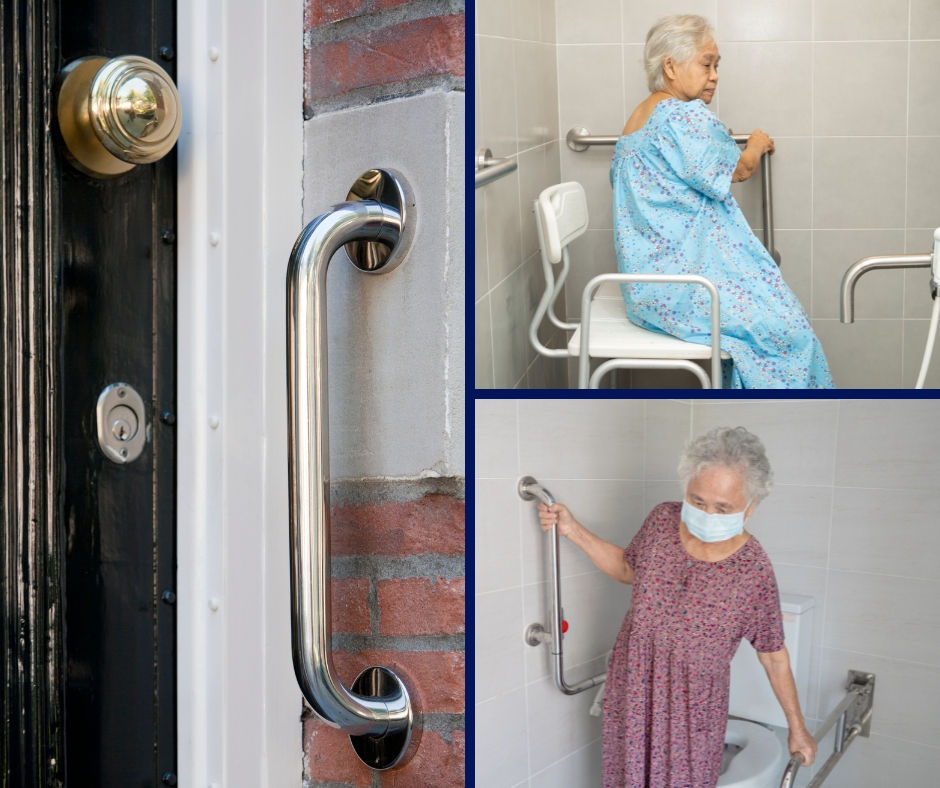
The National Institute on Aging notes that most people want the same thing as they get older: to stay in their own homes and maintain independence for as long as possible, and that planning ahead — including home safety changes — makes that more achievable. The National Council on Aging similarly points to home modifications, including grab bars, as one of the most effective steps for supporting safe, independent living.
Choosing Grab Bars That Actually Support Daily Life
A grab bar only supports independence if it's placed where it's actually needed and installed to hold real weight. Our post on what to know before buying grab bars for bathroom safety covers what separates a genuinely supportive installation from a decorative one.
At Grab Bar Los Angeles, our team assesses each home individually — bathroom, hallways, and entryways alike — so grab bars go where they'll actually make daily life easier, not just where it's convenient to install them.
Frequently Asked Questions
1. Do grab bars really help seniors stay independent, or just prevent falls?
Both. Beyond physical support, grab bars reduce the hesitation and fear that can cause someone to start relying on others for tasks they could otherwise do alone.
2. Where should grab bars go besides the bathroom?
Hallways, entryways with steps, and the path between a bedroom and bathroom used at night are all worth considering, since independence-related risk isn't limited to the bathroom alone.
3. Can grab bars really help someone avoid moving to assisted living?
They can be part of what makes staying at home safely possible for longer, particularly when combined with other home safety changes — though needs vary by individual situation.
4. How do I bring up grab bars with a parent without upsetting them?
Framing the conversation around continued independence — "so you can keep doing this yourself" — rather than decline tends to be received much better than a purely safety-focused pitch.
5. Do grab bars actually reduce stress for family caregivers?
Many caregivers report real relief, particularly for tasks they can't personally supervise, like a shower taken while they're away from the home.
6. What does aging-in-place research say about home modifications like grab bars?
Organizations like the National Institute on Aging and National Council on Aging both point to home safety modifications, including grab bars, as effective, practical steps for supporting independent living.
7. Is it better to install grab bars proactively or wait until there's a problem?
Installing proactively, before a fall or health scare forces the decision, tends to feel less reactive and gives the household time to adjust to the change on their own terms.
8. Do grab bars need to match a home's decor to feel less "medical"?
Many modern grab bars are designed to look more like bathroom fixtures than medical equipment, which can make them feel like a natural upgrade rather than a visible sign of decline.
Help Your Loved One Stay Independent at Home
Grab bars do more than prevent falls — they help preserve the confidence and independence that matter most. Grab Bar Los Angeles installs properly placed, correctly anchored grab bars designed to support real daily life.
Schedule your home safety assessment: 📞 818-939-9615 🌐 www.grabbarlosangeles.com


Comments