
How to Prevent Bathroom Falls Before They Happen in Los Angeles Homes
Most bathroom falls don't happen because someone was careless — they happen because a hazard was sitting there unnoticed until the wrong moment. If you want to prevent bathroom falls Los Angeles homes are especially prone to, it takes more than one fix. This guide walks through a full room-by-room plan, including the risk factors specific to Los Angeles's older housing stock, so nothing gets missed.
How to Prevent Bathroom Falls Los Angeles Homes Face Every Day

Bathroom falls follow patterns. Wet floors, poor lighting, unsecured rugs, and the absence of anything to hold onto show up again and again in fall incidents — which also means most of them are preventable with the right combination of small changes, not one single fix.
One Change Rarely Solves It Alone
Adding a single grab bar or a bath mat can help, but real prevention comes from addressing several risk factors together, since a home can still be dangerous even after one hazard is fixed.
What Makes Los Angeles Homes Different

Much of LA's housing stock — Spanish Revival bungalows, mid-century homes, older multi-family buildings — was built well before modern bathroom safety standards existed. Original bathrooms are often smaller, with step-in tubs, tiled surfaces throughout, and layouts that weren't designed with grab bars or wide clearances in mind.
Tile-Heavy Bathrooms Add Their Own Risk
Full tile bathrooms, common across LA's older homes, look great but offer very little traction when wet, making the choice of flooring and mats especially important in these spaces.
Lighting: The Most Overlooked Fall Risk Factor

Dim or poorly placed lighting is one of the most common — and most fixable — fall risks in a bathroom. Shadowed areas near the tub, toilet, or shower entry make it harder to judge footing accurately, especially at night.
Simple Lighting Fixes That Make a Real Difference
Add a nightlight for after-dark bathroom trips
Ensure the light switch is reachable from the doorway, not just inside the room
Replace dim bulbs with brighter, well-distributed lighting
Light the shower or tub entry area directly, not just the room's center
Flooring and Rugs: Reducing Slip Risk Underfoot

Loose bath mats and throw rugs are a common, easily overlooked hazard — they can bunch up, slide, or create a tripping edge exactly where someone needs stable footing.
What to Look For Instead
Non-slip mats with rubber backing, secured bath mats, and textured flooring near wet areas all reduce slip risk meaningfully compared to standard rugs or bare tile.
Grab Bars: The Core of Any Prevention Plan

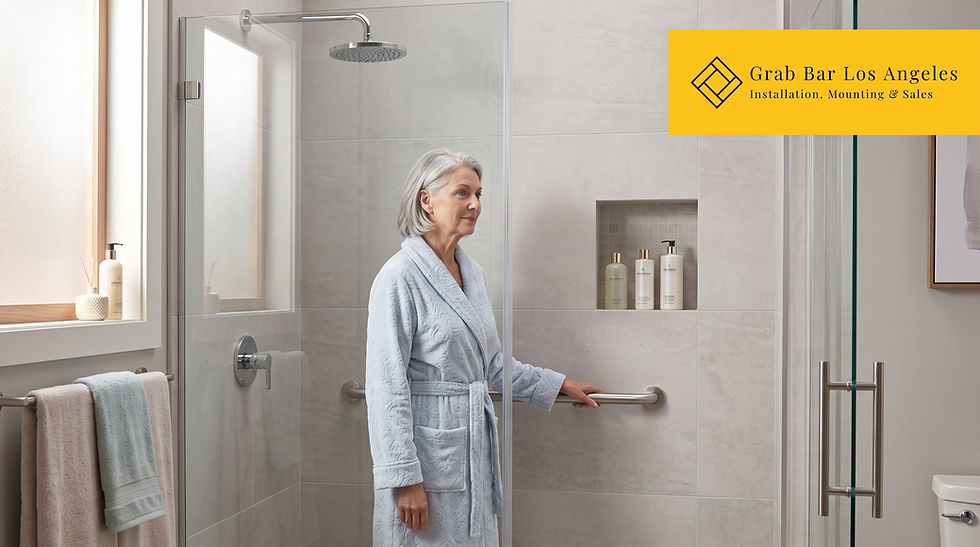
Grab bars remain one of the most effective single additions for bathroom fall prevention, particularly near the toilet, inside the shower or tub, and at shower entry and exit points. Our post on grab bars for fall prevention goes deeper on why prevention beats recovery, and our guide on the hidden danger of getting in and out of the shower without grab bars covers one of the highest-risk moments specifically.
Installation Quality Matters as Much as Having a Bar
A grab bar is only protective if it's installed correctly. Our post on common grab bar installation mistakes that can lead to serious injuries covers what to watch for if you're evaluating an existing installation.
Nighttime Bathroom Access: A Special Risk Window

Late-night or early-morning bathroom trips carry extra risk — reduced alertness, poor lighting, and grogginess combine at exactly the moment someone is navigating a space that's otherwise familiar in daylight.
A Clear Path Matters More at Night
Keeping a clear, obstacle-free path from the bed to the bathroom, along with a nightlight or motion-sensor light, reduces one of the more common but under-addressed fall windows in the home.
Decluttering and Layout: Removing Everyday Obstacles

Cords, laundry baskets, storage bins, and general clutter narrow the usable floor space in a bathroom, which increases the odds of a trip even when every other safety feature is in place.
Rethinking Storage and Layout
Keeping frequently used items within easy reach — rather than requiring a stretch, bend, or step onto something unstable — removes a surprising number of everyday fall triggers.
Building a Room-by-Room Bathroom Fall Prevention Checklist
The CDC's STEADI program publishes a home fall prevention checklist that covers the bathroom alongside other high-risk rooms, and it's a useful starting framework for walking through your own space methodically rather than relying on memory alone.
A Starting Checklist for Your Bathroom
Grab bars installed at the toilet, shower, and tub entry
Non-slip mats or textured flooring in wet areas
Bright, well-distributed lighting with a reachable switch
Secured or removed rugs
Clear, unobstructed floor space
A nightlight for after-dark trips
When to Bring in a Professional Assessment
Some risk factors — like whether a wall can support a properly anchored grab bar, or where exactly a bar should go for how your household actually moves through the space — are hard to evaluate without an in-person assessment. The National Council on Aging recommends a professional home safety evaluation as part of a thorough fall prevention plan, particularly for households with older adults or anyone recovering from a prior fall.
Grab Bar Los Angeles assesses bathrooms across Los Angeles's older and newer housing alike, accounting for the specific wall types, layouts, and step-in tub designs common throughout the area.
Frequently Asked Questions
1. What's the single most effective step to prevent bathroom falls?
There isn't one single fix — grab bars, proper lighting, secured flooring, and a decluttered layout all work together, and addressing only one still leaves real risk in place.
2. Why are older Los Angeles homes more prone to bathroom fall risks?
Many were built before modern bathroom safety standards, with smaller original bathrooms, step-in tubs, and tile-heavy surfaces that offer limited traction when wet.
3. Are throw rugs really that risky in a bathroom?
Yes. Loose rugs can slide, bunch up, or create a tripping edge, which makes secured, non-slip mats a safer alternative in wet areas.
4. How does lighting affect bathroom fall risk?
Poor lighting makes it harder to judge footing accurately, especially near the tub, shower, or toilet, and it's one of the most overlooked and easiest-to-fix risk factors.
5. Why is nighttime bathroom access considered higher risk?
Reduced alertness, grogginess, and dim lighting combine at exactly the moment someone is navigating a familiar space, which increases fall risk during nighttime trips specifically.
6. Do grab bars alone fully prevent bathroom falls?
No. Grab bars are one of the most effective single additions, but a complete prevention plan also addresses lighting, flooring, clutter, and layout.
7. How do I know if my bathroom needs a professional safety assessment?
If you're unsure whether a wall can support a properly anchored grab bar, or where bars should be placed for how your household moves through the space, a professional assessment removes the guesswork.
8. Is bathroom fall prevention only relevant for older adults?
No. While risk increases with age, wet floors and poor lighting create genuine risk for people of all ages, which is why a full prevention plan benefits the whole household.
Make Your Bathroom Safer Before an Accident Happens
Preventing bathroom falls in Los Angeles homes takes more than one fix — but it doesn't have to be complicated. Grab Bar Los Angeles helps households build a complete, correctly installed safety plan suited to their specific bathroom.
Schedule your bathroom safety assessment: 📞 818-939-9615 🌐 www.grabbarlosangeles.com


Comments