
How Grab Bars for Fall Prevention Save Lives Every Day
We don’t talk enough about falls, yet they’re one of the leading causes of preventable injuries at home. It’s not just something that happens to “other people” or only to seniors — slippery surfaces, tight spaces, and rushed routines put everyone at risk. The bathroom, in particular, is where most falls happen. Wet tile doesn’t care how old you are.
The good news? We have simple tools that reduce that risk dramatically: grab bars.
Grab bars might look subtle, but their impact is huge. They prevent slips, support balance, and save lives every single day. And unlike years ago, today’s grab bars blend into modern bathrooms without looking clinical or out of place.
If you’ve ever wondered whether grab bars are really worth it, or who needs them, or where to put them, this guide breaks it down clearly and realistically.
Why Bathroom Falls Are More Serious Than Most People Think

Most people don’t realize just how common falls are until one happens in their own family. Here are a few overlooked truths:
Most household falls happen in the bathroom
Wet surfaces and soap create high-risk environments
Seniors, pregnant women, kids, and injured adults are all vulnerable
Many accidents happen during simple movements (stepping out, turning, bending)
For older adults, a fall isn’t just painful — it’s life-changing. Many fractures require surgery, long recoveries, and sometimes force people into assisted care earlier than expected.
But here’s what surprises people: young and healthy adults are not immune. Every year, thousands of adults slip in the shower, catch the corner wrong, or use a towel bar for support (and it rips right off the wall).
That’s exactly why grab bars matter.
How Grab Bars Prevent Falls Before They Even Begin

Falls don’t happen in slow motion. They happen suddenly — you lose balance, you slip on soap, you misjudge a step, or your knee buckles. Grab bars interrupt that chain before it becomes an injury.
Grab bars protect you in three ways:
1. They Stabilize You During Movements
Getting up, sitting down, bending, stepping over tub edges, or pivoting inside a wet shower are moments when you’re most vulnerable. Grab bars give you something solid to hold during those transitions.
2. They Help You Regain Balance Mid-Slip
Even if you don’t see the fall coming, a grab bar lets you catch yourself fast. That can be the difference between:
A bruise vs. a broken bone
A scare vs. a concussion
A close call vs. an ambulance ride
3. They Support Weight Safely
People instinctively grab whatever they can during a slip — and that’s often a towel bar, shower door, or flimsy shelf. None of those are designed to support body weight. Grab bars are.
This is why they’re more than “bathroom accessories.” They’re safety equipment with real purpose.
Who Should Have Grab Bars? (Spoiler: It’s Not Just Seniors)

More people need grab bars than you might think, including:
✔ Older Adults (65+)
This group is statistically at highest risk, and a single fall can trigger long-term mobility decline.
✔ Anyone Recovering From Surgery or Injury
Hip replacements, knee surgery, spinal surgery, sprains, and broken bones all affect balance and strength.
✔ Individuals With Chronic Conditions
Arthritis, multiple sclerosis, Parkinson’s, vertigo, and neuropathy make movement unpredictable.
✔ Pregnant Women
Balance changes during pregnancy — safe support minimizes risk in slippery areas.
✔ Kids & Teens
Showers + soap + fast movements = slips waiting to happen. A grab bar gives them something to hold.
✔ Fully Healthy Adults
Yes — even young adults fall in the shower. Household accidents are not age-specific.
A household with just one family member in these categories already has a reason to install grab bars.
The Real Cost of Bathroom Falls (It’s Not Just Medical Bills)
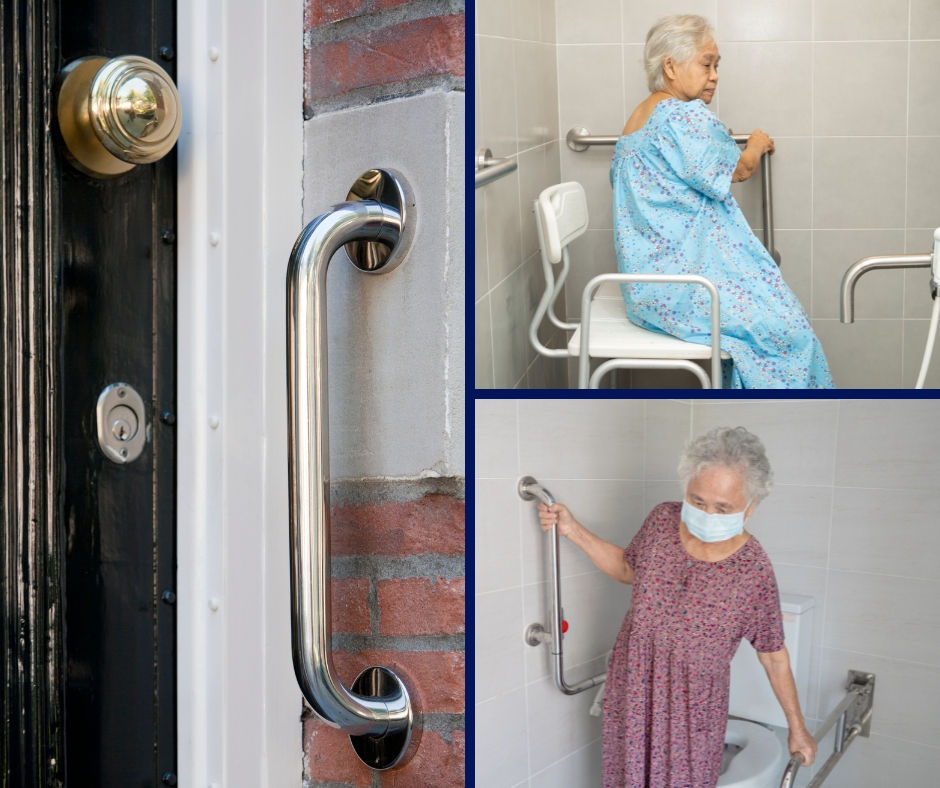
When a fall happens, the physical injury is only part of the problem. The aftermath hits three layers:
1. Physical
Broken hips, wrists, and concussions are common in bathroom falls. Surgeries and rehab take time and can affect long-term mobility.
2. Emotional
After a fall, many people develop:
Anxiety about bathing alone
Fear of slipping again
Loss of confidence
Reduced independence
That emotional toll is often worse than the injury.
3. Financial
Hospital stays, physical therapy, and medications are expensive. For older adults, a serious fall can accelerate the need for assisted living — which has major financial implications.
Grab bars cost a fraction of that, and they go in once.
Why Towel Bars Don’t Count (And Why They’re Actually Dangerous)
A lot of people assume towel bars are good enough to grab in an emergency. They’re not.
Towel bars are designed to hold towels, not human weight.
They rip out of drywall under pressure and often cause falls instead of preventing them.
Grab bars are engineered differently. They come with:
Strong anchoring hardware
Weight ratings (commonly 250–500 lbs)
ADA-recommended grip sizes
Slip-resistant textures
Rust-resistant finishes
Grabbing a towel bar is like grabbing a cardboard handle in a moving vehicle — it gives you a false sense of safety.
Where Grab Bars Should Be Installed for Maximum Protection
You don’t need a grab bar on every wall. You just need them where slips are most likely.
The high-impact safety zones include:
1. Inside Tubs and Showers
This is the most obvious danger zone. Standing, turning, bending, and moving with wet feet is where most accidents start.
2. At the Shower Entrance
Stepping over tub ledges or into curbless showers is a high-risk moment. A vertical grab bar here is incredibly valuable.
3. Beside the Toilet
Sitting and standing puts strain on knees, hips, and lower back. A support bar makes the movement smoother and safer.
4. Near Shower Benches
If someone sits while showering, they need a second bar to stand back up safely.
5. Along Narrow Pathways
Any tight bathroom layout benefits from added support for balance.
The goal is simple: support every movement that involves stepping, bending, or transitioning.
Different Types of Grab Bars & Why They Matter
Not all grab bars are the same. Choosing the right one is important.
Horizontal Grab Bars
Provide steady support when moving side to side or standing still.
Vertical Grab Bars
Excellent for pulling up from a seated position or stabilizing when stepping in/out.
Angled Grab Bars
A hybrid option that supports multiple arm and body angles.
Floor-to-Ceiling Poles
Ideal when wall mounting isn’t possible or for open bathroom layouts.
Permanent Wall-Mounted Bars
The gold standard for long-term safety and fall prevention.
Suction Grab Bars (Temporary Use Only)
OK for short-term use or travel, but not a permanent safety solution — they are not rated for full body weight.
If the goal is true fall prevention, permanent ADA-compliant installations are the safest.
Modern Grab Bars Don’t Look Like They Did 20 Years Ago
The stigma around grab bars used to be that they looked ugly or “medical.” Not anymore.
Manufacturers now make grab bars in styles that actually enhance bathrooms, including:
Matte black
Brushed nickel
Polished chrome
Warm brass
Powder-coated finishes
Slim modern profiles
Integrated towel bar + shelf combos
Some designs blend in so well that guests don’t even realize they’re grab bars. Safety doesn’t have to look institutional.
How Grab Bars Support Aging in Place

“Aging in place” is a growing movement. Seniors want to remain at home as long as possible, not transition into assisted living unless it’s truly necessary.
Grab bars are one of the core components of aging-in-place design because they:
Reduce caregiver strain
Lower the chance of ER visits
Increase independent bathing
Reduce fear of falling
Support long-term mobility
A small home upgrade today can delay — or completely avoid — expensive care arrangements later.
Choosing the Right Grab Bars (What to Look For Before Buying)
Good grab bars should have:
✔ ADA-recommended diameter (1¼” to 1½”)
✔ Slip-resistant grip
✔ Weight capacity of at least 250 lbs
✔ Rust-proof materials
✔ Secure mounting hardware
✔ Proper length (24”–36”) for most installs
Avoid decorative bars that are only meant for hanging towels — those are not safety equipment.
Professional vs. DIY Installation
You can install grab bars yourself, but there are strong advantages to hiring a professional:
Professional Installation Benefits
Bars are anchored into studs or structural points
Correct ADA-style positioning
Damage-free mounting on tile, stone, or fiberglass
Clean aesthetic finishing
Guaranteed safety rating
DIY Installation is Only Safe If
You understand wall structure
You use proper anchors
You choose rated equipment
You don’t rely on suction cups for long-term use
If someone’s safety is at stake, professional installation is almost always worth it.
Final Thoughts: A Small Upgrade That Makes a Huge Difference
Bathrooms shouldn’t be places of risk. They should be usable, safe, and practical for every member of the household — not just the young and steady-footed.
Grab bars don’t just prevent falls. They protect independence, confidence, dignity, and mobility. They provide peace of mind for families and allow seniors to stay in their homes longer. They help people recover from surgeries safely. And they stop accidents before they ever happen.
No one ever regrets installing grab bars. People only regret waiting until after a fall.
Need Safe, Stylish, Professionally Installed Grab Bars in Los Angeles?
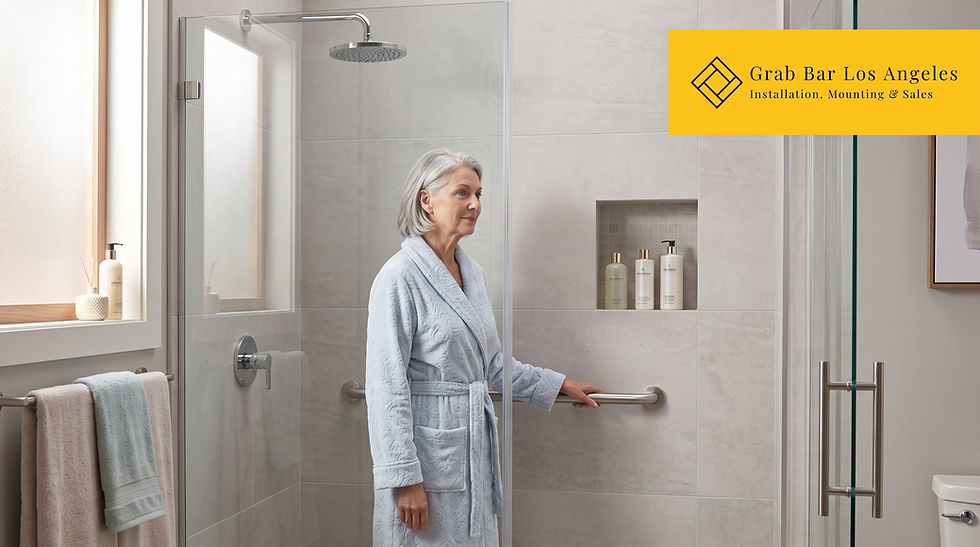
If you’re in Southern California and thinking about making your bathroom safer, Grab Bar Los Angeles makes it easy.
They specialize in:
ADA-compliant grab bar installation
Safety-first hardware & materials
Clean, discreet designs
Same-day & next-day service
Professional mounting on tile, stone, fiberglass & more
Solutions for seniors, caregivers, and aging-in-place
From simple shower installs to full bathroom safety upgrades, their team knows exactly how to reduce fall risk and protect the people you love.
Visit them here to learn more or request an installation:
Make the upgrade now — before a fall forces the conversation.


Comments