
Why Are Seniors Still Falling in the Bathroom Even With Non-Slip Mats?
Many homeowners believe that placing a non-slip mat in the bathroom is enough to prevent falls. While non-slip mats can certainly help reduce the risk of slipping, they are only one piece of the puzzle. Surprisingly, many seniors continue to experience bathroom falls despite having non-slip mats in place.
The reality is that bathroom safety involves much more than floor traction. Factors such as balance issues, mobility limitations, poor lighting, improper bathroom layouts, and a lack of support structures often contribute to accidents that non-slip mats alone cannot prevent.
If you're caring for an aging loved one or planning to age in place yourself, understanding the hidden causes of bathroom falls can help you create a safer environment and avoid potentially life-changing injuries.
Why Senior Bathroom Fall Prevention Requires More Than Non-Slip Mats

Bathrooms combine several risk factors that make falls more likely:
Wet and slippery surfaces
Hard flooring and fixtures
Tight spaces
Frequent transfers between sitting and standing
Stepping into and out of bathtubs or showers
Even healthy adults can lose their footing under these conditions. For seniors, the risks increase significantly due to changes in strength, balance, vision, and reaction time.
Many families begin improving safety through aging in place home modifications that address these risks before an accident occurs.
Non-Slip Mats Only Address One Risk Factor

Non-slip mats are designed to improve traction underfoot.
They can help reduce slipping on wet surfaces, but they do not address other common causes of falls such as:
Loss of balance
Muscle weakness
Dizziness
Difficulty standing
Limited mobility
Poor coordination
Lack of support while moving
A person may not slip at all yet still fall while trying to stand from a toilet, step into a shower, or turn around in a confined bathroom space.
This is why relying solely on non-slip mats often leaves important safety gaps unaddressed.
The Challenge of Standing Up Safely

One of the most common times seniors fall is while transitioning from sitting to standing.
Getting up from a toilet or shower chair requires:
Leg strength
Core stability
Balance
Coordination
As people age, these abilities often decline.
Without a stable support structure nearby, even a minor loss of balance can lead to a fall.
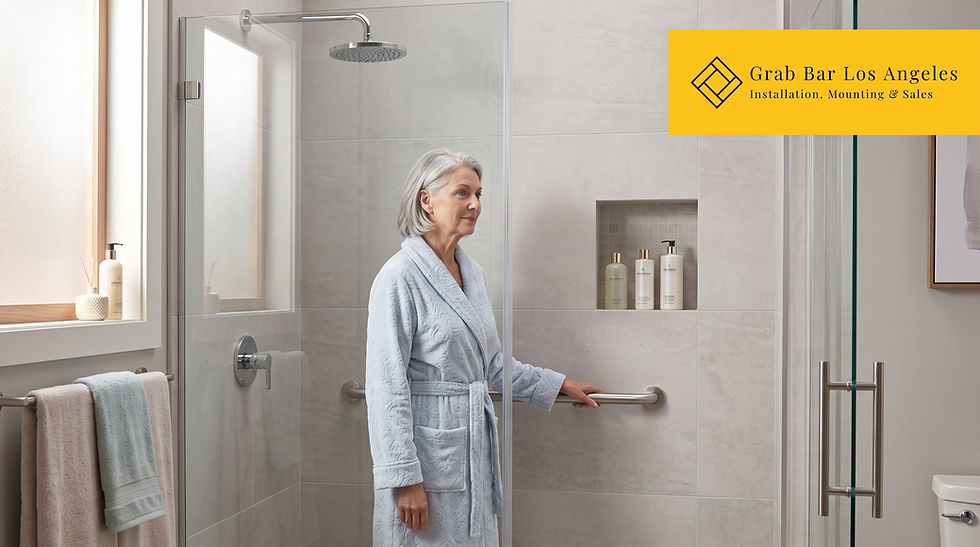
This is one reason professionally installed grab bars have become an essential bathroom safety feature. Unlike non-slip mats, grab bars provide physical support during movement and transfers.
Bathtub and Shower Entry Remain High-Risk Activities

Stepping over a bathtub wall requires balance and flexibility.
Even with a non-slip mat inside the tub, seniors can lose their balance while:
Entering the tub
Exiting the tub
Turning around
Reaching for toiletries
The movement itself creates risk.
Many falls occur before a person's feet even touch the non-slip surface.
Strategically placed grab bars provide support during these transitions and help reduce the likelihood of losing balance.
Wet Floors Outside the Shower Are Often Overlooked

Many homeowners focus on preventing slips inside the shower but forget about the surrounding floor.
Water frequently accumulates near:
Shower entrances
Bathtubs
Sinks
Toilets
A non-slip mat may cover only a small portion of the floor, leaving other areas vulnerable.
Additionally, mats can shift over time or become worn, reducing their effectiveness.
Bathroom safety requires a comprehensive approach that addresses the entire environment.
Poor Lighting Contributes to Bathroom Falls
Vision changes are common as people age.
Reduced depth perception, glare sensitivity, and lower visual acuity can make it difficult to identify hazards.
Bathrooms are often used during nighttime hours when visibility is reduced even further.
Poor lighting may make it harder to see:
Water on the floor
Changes in floor elevation
Bathroom fixtures
Obstacles
Improving lighting can significantly reduce fall risks and complement other safety modifications.
Many Homes Have Hidden Safety Hazards
Bathroom falls are often caused by multiple factors working together.
Some warning signs include:
Loose flooring
Water damage
Mold growth
Uneven surfaces
Weak wall structures
Poorly secured fixtures
Our guide on warning signs maintenance issues home safety explains how seemingly minor maintenance issues can create major safety concerns over time.
Identifying and correcting these problems early can help prevent accidents.
Why Grab Bars Often Make a Bigger Difference Than Non-Slip Mats
Non-slip mats help prevent slipping.
Grab bars help prevent falling.
While both serve important purposes, grab bars provide active support during movement.
They assist users when:
Standing up
Sitting down
Entering showers
Exiting bathtubs
Recovering balance
This added support can make a substantial difference for individuals with mobility limitations.
However, grab bars must be installed correctly to provide reliable protection.
Improper installations can create new risks. That's why understanding the dangers of installing grab bars on drywall without reinforcement is so important.
The Importance of Planning Ahead
Many families don't consider bathroom safety upgrades until after a fall occurs.
Unfortunately, reacting after an injury often creates additional challenges.
Proactive planning allows homeowners to:
Evaluate risks carefully
Choose the right modifications
Install safety features properly
Avoid emergency renovations
Families who begin early are often better prepared for future mobility changes.
Learning from the biggest mistakes families make when planning aging in place upgrades can help homeowners make smarter long-term decisions.
Medications and Health Conditions Can Increase Fall Risks
Even the safest bathroom cannot eliminate every risk.
Certain factors may increase the likelihood of falls, including:
Blood pressure medications
Dizziness
Arthritis
Parkinson's disease
Vision impairments
Neuropathy
Recent surgeries
When these conditions are present, additional safety measures often become even more important.
A combination of environmental improvements and medical management typically provides the best results.
Why Professional Bathroom Safety Assessments Matter
Many hazards aren't obvious to homeowners.
Professional assessments can identify:
Unsafe layouts
Poor grab bar placement
Inadequate support structures
Lighting deficiencies
Accessibility concerns
A trained professional evaluates how a person actually uses the bathroom and recommends modifications based on individual needs rather than generic solutions.
This customized approach often results in better long-term safety outcomes.
Creating a Complete Bathroom Safety Strategy
The safest bathrooms usually combine multiple safety features:
Non-slip flooring
Grab bars
Adequate lighting
Accessible layouts
Shower seating
Raised toilet solutions
Proper maintenance
No single product can eliminate every fall risk.
The goal is to create layers of protection that work together to improve safety and independence.
Final Thoughts
Non-slip mats are valuable bathroom safety tools, but they are not a complete solution. Seniors continue to fall in bathrooms because slips are only one of many factors that contribute to accidents.
Balance issues, mobility challenges, poor lighting, unsafe layouts, and a lack of support structures often play a larger role than floor traction alone.
By taking a comprehensive approach to bathroom safety, homeowners can significantly reduce risks and help loved ones maintain their independence for years to come.
Improve Bathroom Safety With Grab Bar Los Angeles
At Grab Bar Los Angeles, we help homeowners create safer bathrooms through professionally installed grab bars and accessibility solutions. Whether you're planning ahead for aging in place or addressing immediate safety concerns, our team can help you build a safer and more comfortable environment.
Visit https://www.grabbarlosangeles.com/ to learn more about our professional grab bar installation services and schedule a consultation today.


Comments