
The Benefits of Accessible Bathrooms for Independent Living
- Nov 23, 2025
- 3 min read
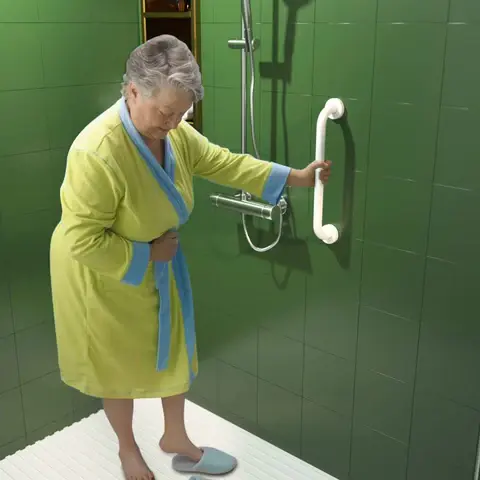
For many families, the bathroom is one of the most important spaces to make safe—yet it’s also one of the most overlooked. Wet floors, tight spaces, and high steps are everyday sources of danger, especially for seniors, people with disabilities, or anyone with balance issues.
An accessible bathroom changes everything. With the right upgrades, it becomes a place of comfort, stability, and independence—not stress or worry. And today, accessibility doesn’t mean “hospital-like.” Modern designs blend beautifully with any home style while keeping safety front and center.
Here’s why more homeowners are investing in accessible bathrooms to support independent living.
1. Grab Bars Reduce the Risk of Falls
Falls in the bathroom are one of the leading causes of injuries in older adults. Grab bars instantly make the space safer by providing dependable support exactly where it’s needed.
Properly placed grab bars help with:
Getting in and out of the shower
Standing from the toilet
Regaining balance on slippery floors
Moving from one area of the bathroom to another
It’s one of the simplest upgrades with the biggest impact.
2. Walk-In Showers Improve Safety and Comfort
High bathtub edges are dangerous for anyone with mobility challenges. A walk-in shower removes that obstacle completely.
Benefits include:
No need to lift legs over a tub wall
Wide openings for walkers or wheelchairs
Better traction with slip-resistant floors
A comfortable, spacious bathing area
Walk-in showers are also visually modern, making safety upgrades feel stylish—not medical.
3. Adjustable Shower Heads Make Bathing Easier
Handheld or adjustable shower heads are a must for an accessible bathroom. They allow users to wash safely while seated or standing and give more control over water direction.
This small change adds:
Convenience
Comfort
Independence
Less strain when reaching or bending
Pairing them with a shower chair or bench creates a safer and more relaxing bathing experience.
4. Non-Slip Flooring Prevents Accidents
Bathrooms are naturally high-risk areas because of water and smooth tiles. Upgrading to slip-resistant flooring dramatically reduces fall risks.
Whether it’s textured tiles, anti-slip strips, or rubberized mats, safer flooring provides better traction and peace of mind—especially for seniors living alone.
5. Wider Doorways and Open Layouts Improve Accessibility
A bathroom that’s too tight can make simple tasks frustrating or even impossible for someone using a walker or wheelchair.
Wider doorways and smart layouts help by:
Providing smoother entry and exit
Allowing better maneuvering
Reducing bumps and accidents
Making the bathroom feel more open and comfortable
It’s not just about mobility—it’s about dignity.
6. Comfort-Height Toilets Make Standing and Sitting Easier
Standard-height toilets can be challenging for seniors or anyone with knee, hip, or back pain. Comfort-height toilets reduce pressure and make sitting and standing much easier.
Combined with grab bars, they create a safer, more supportive bathroom setup for daily use.
7. Accessible Bathrooms Support Aging in Place
The biggest benefit of all? An accessible bathroom lets people stay in their own homes longer.
By removing safety hazards and adding supportive features, families can avoid the need for assisted living—saving money and keeping loved ones in a place that feels familiar and comforting.
Accessible bathrooms offer:
Safety
Independence
Confidence
Peace of mind for everyone
It’s an investment that supports both physical safety and emotional well-being.
Final Thoughts
An accessible bathroom isn’t an optional upgrade—it’s a smart, meaningful step toward safe and independent living. With the right modifications, anyone can stay in their home comfortably, confidently, and without fear of accidents.
If you're ready to make your bathroom safer with grab bars or other accessibility upgrades, help is just a click away.
👉 Learn more and schedule your installation:https://www.grabbarlosangeles.com/


Comments