
Mobility Through the Years: How Grab Bars Support Every Stage of Life
- Feb 2
- 5 min read
When you think about grab bars for every stage of life, the picture becomes much bigger than senior safety. From toddlers learning balance to adults recovering from injury to seniors preserving independence, grab bars provide consistent support through every chapter of life.
From toddlers learning to stand in the tub…to athletes recovering from injury…to adults planning ahead for long-term independence…
Grab bars quietly support mobility at every age.
This isn’t just about aging. It’s about safety, confidence, and smart design — for every member of the household.
The Early Years: Toddlers & Young Children

Bath time is fun — until it’s slippery.
Young children are still developing balance and coordination. Wet tile, soap, and smooth surfaces create the perfect conditions for falls. A properly installed grab bar gives kids something sturdy to hold while:
Stepping into the tub
Standing up after sitting
Transitioning out of the bath
It also gives parents peace of mind.
Instead of relying on towel racks (which are not weight-bearing), installing a secure grab bar creates a stable point of contact. Even when parents are supervising, that extra support reduces the risk of slips.
And here’s something many people overlook:
Children with temporary injuries — like a broken leg — benefit significantly from added bathroom stability.
Safety isn’t age-specific.
The Teen & Young Adult Years: Growth, Sports & Independence

Teens are active. Sports injuries, sprains, and surgeries are common during these years.
ACL surgery. Ankle fractures. Post-operative recovery.
During rehabilitation, balance can be compromised. Grab bars make daily routines easier and safer while regaining strength.
They support:
One-legged balance in the shower
Controlled sitting and standing from the toilet
Safer transitions during limited mobility
Even young adults living independently benefit from safety-focused design. Slips in the bathroom are one of the most common household accidents across all age groups.
Good design isn’t about age — it’s about preparedness.
Adults in Their Prime: Injury Recovery & Unexpected Life Changes
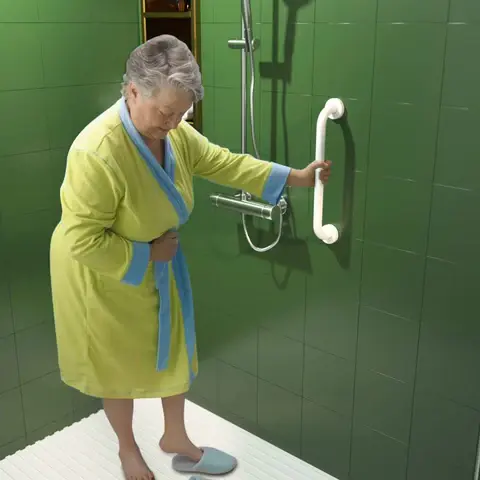
Most people don’t think about mobility support until something unexpected happens.
Back injury. Knee replacement. Pregnancy complications. Temporary disability after an accident.
Mobility limitations can affect anyone, at any time.
During recovery, even small movements — stepping into a shower or lowering onto a toilet — can strain muscles or increase fall risk. Grab bars provide leverage and stability without requiring major bathroom renovations.
They offer:
Controlled body positioning
Reduced pressure on healing joints
Added balance in wet environments
This is especially important in multigenerational homes, where one bathroom may serve children, adults, and grandparents alike.
Midlife & Proactive Planning: The Smart Design Phase

In your 40s and 50s, mobility might still feel strong — but smart homeowners start thinking ahead.
This is where “aging in place” begins to enter the conversation.
Planning ahead doesn’t mean expecting decline. It means:
Reducing future renovation costs
Avoiding emergency installations
Increasing home resale value
Creating long-term accessibility
More homeowners are integrating grab bars into modern bathroom design intentionally — not reactively.
Today’s options include:
Matte black finishes
Brushed nickel
Integrated towel-bar styles
Designer safety rails
Safety no longer looks institutional.
It looks thoughtful.
Grab Bars for Every Stage of Life: More Than Just Senior Safety

As we age, balance and muscle strength naturally change. According to the Centers for Disease Control and Prevention, falls are one of the leading causes of injury among adults over 65.
Bathrooms are one of the highest-risk areas in the home.
Why?
Wet floors
Smooth surfaces
Tight spaces
Stepping in and out of tubs
Grab bars dramatically reduce fall risk by offering reliable support at critical points:
Next to the toilet
Inside the shower
Along the tub wall
Near entry and exit areas
More importantly, they preserve independence.
Being able to safely use the bathroom without assistance supports dignity, privacy, and confidence.
Beyond Age: Supporting Disabilities & Long-Term Conditions

Mobility challenges are not limited to aging.
Grab bars support individuals with:
Multiple sclerosis
Parkinson’s disease
Arthritis
Neurological conditions
Post-stroke recovery
For these individuals, consistent support points make everyday life manageable.
Public spaces must comply with the Americans with Disabilities Act (ADA), ensuring accessibility in commercial restrooms. But in private homes, thoughtful design is just as important.
Accessibility is about inclusion.
How Grab Bars Work Biomechanically
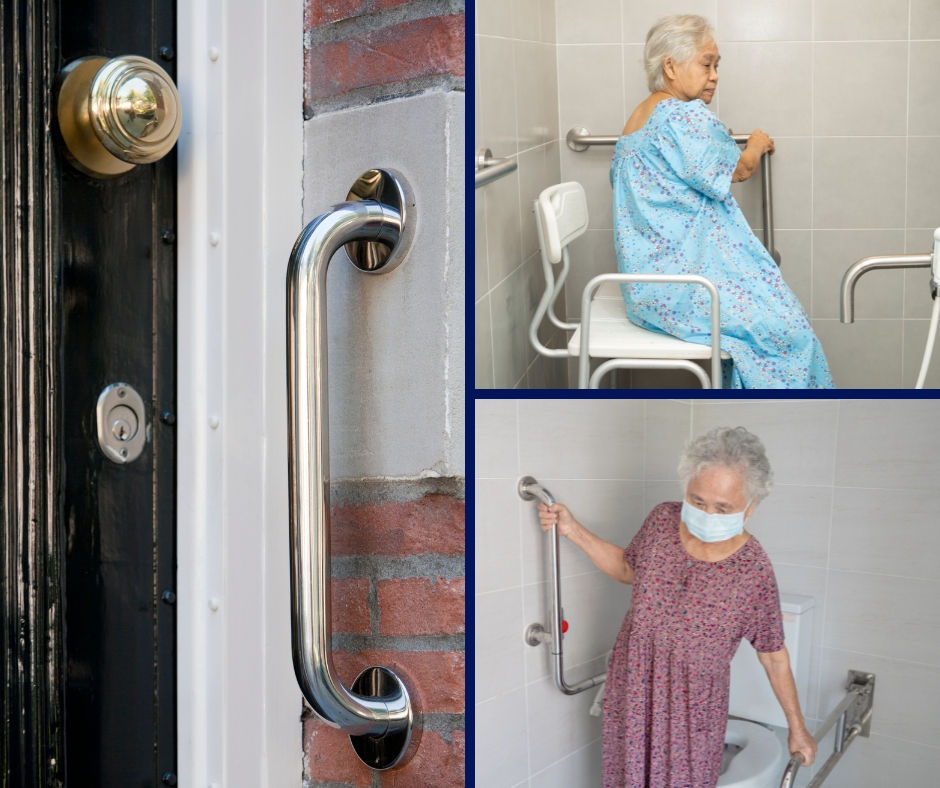
Let’s simplify this.
When you stand up from a seated position, your body:
Shifts weight forward
Engages core muscles
Activates knees and hips
If strength or balance is limited, that motion becomes unstable.
Grab bars:
Provide counterforce
Improve leverage
Reduce joint strain
Increase stability during movement
In the shower, they reduce lateral sway.At the toilet, they assist controlled lowering and rising.
Small hardware. Big impact.
Common Misconceptions About Grab Bars
“They’re Only for Seniors.”
False.They support toddlers, athletes, recovering adults, and seniors alike.
“They Ruin Bathroom Design.”
Not anymore. Modern grab bars blend seamlessly with contemporary fixtures.
“I’ll Install Them Later If I Need Them.”
Reactive installation often happens after a fall — when urgency replaces planning.
Proactive installation is always safer and more affordable.
The Multigenerational Home Advantage
More families today live in multigenerational households.
Grandparents.Parents.Children.
Designing a bathroom that supports everyone makes sense.
Grab bars create a shared safety solution without singling out any one age group. They normalize accessibility rather than stigmatize it.
Emotional Impact: Confidence at Every Age
Mobility support isn’t just physical.
It’s emotional.
For toddlers, it builds confidence in movement. For injured adults, it reduces fear during recovery.For seniors, it preserves dignity and independence.
The presence of a grab bar often provides reassurance before it’s even used.
It quietly says: “You’re supported.”
Strategic Placement Matters
Grab bars are most effective when installed in key locations:
Beside the toilet
On the rear wall behind the toilet
Inside the shower at 33–36 inches height
Near bathtub entry points
Along longer shower walls for lateral support
Proper installation into wall studs or reinforced backing is essential to ensure weight-bearing strength.
Function must always come before aesthetics.
Planning for the Future Without Fear
Installing grab bars isn’t about assuming decline.
It’s about designing for life’s unpredictability.
You don’t wait to install smoke detectors until after a fire. You don’t wait to wear a seatbelt until after an accident.
Mobility support works the same way.
Businesses & Public Spaces: Supporting All Ages
Commercial restrooms must accommodate a wide range of users — including children, adults with temporary injuries, and seniors.
ADA-compliant grab bars ensure:
Equal access
Reduced liability
Inclusive environments
Safe facilities for customers and employees
Accessibility is not a niche feature. It’s standard responsibility.
The Bigger Picture: Universal Design
Grab bars are part of a larger concept known as universal design — creating environments usable by all people, to the greatest extent possible, without adaptation.
Universal design benefits everyone.
Wider doorways.Non-slip flooring.Accessible fixtures.Strategic support bars.
These aren’t specialty features. They’re smart planning.
Final Thoughts: Supporting Mobility at Every Stage
Mobility evolves over time.
Childhood is about growth.Adulthood is about resilience.Later years are about balance and independence.
Through every stage, stability matters.
Grab bars are not a symbol of limitation — they’re a symbol of support.
From toddlers splashing in the tub to adults recovering from surgery to seniors maintaining independence, one simple addition can make a lifetime of difference.
Because mobility isn’t just about movement.
It’s about living confidently — at every age.


Comments