
How Slippery Surfaces Increase Fall Risks Without Proper Grab Bar Support
The bathroom is the most dangerous room in any home. For seniors, older adults, and individuals with limited mobility, a slippery surface without proper grab bar support is not just a discomfort — it is a genuine medical emergency waiting to happen. Every year, more than 36 million falls are reported among adults aged 65 and older in the United States, and the bathroom is where the majority of those falls occur.
What makes this statistic especially troubling is how preventable most of these falls are. The conditions that cause bathroom falls — wet tile floors, slick tub surfaces, unsteady transitions from one surface to another — have not changed. But the protective solutions available to homeowners have never been better. Proper grab bar support, professionally installed in the right locations, is the single most effective intervention available for reducing slippery surface fall risks in the home.
At Grab Bar Los Angeles, we install ADA-compliant grab bars throughout Los Angeles County, helping seniors and their families transform dangerous bathrooms into safe, accessible spaces. This post explains exactly how slippery surfaces create fall risks, why grab bars address those risks in ways that non-slip mats simply cannot, and what every Los Angeles household should know about protecting its most vulnerable members.
Bathroom Falls — By the Numbers
36 Million Falls among U.S. adults aged 65+ reported each year | 80% Of falls happen in the bathroom — the most dangerous room in the home | $50 Billion Annual medical cost of fall injuries in the U.S. | 1 in 5 Falls cause a serious injury such as a broken bone or head injury |
Why Slippery Surfaces Increase Fall Risk Without Grab Bar Support
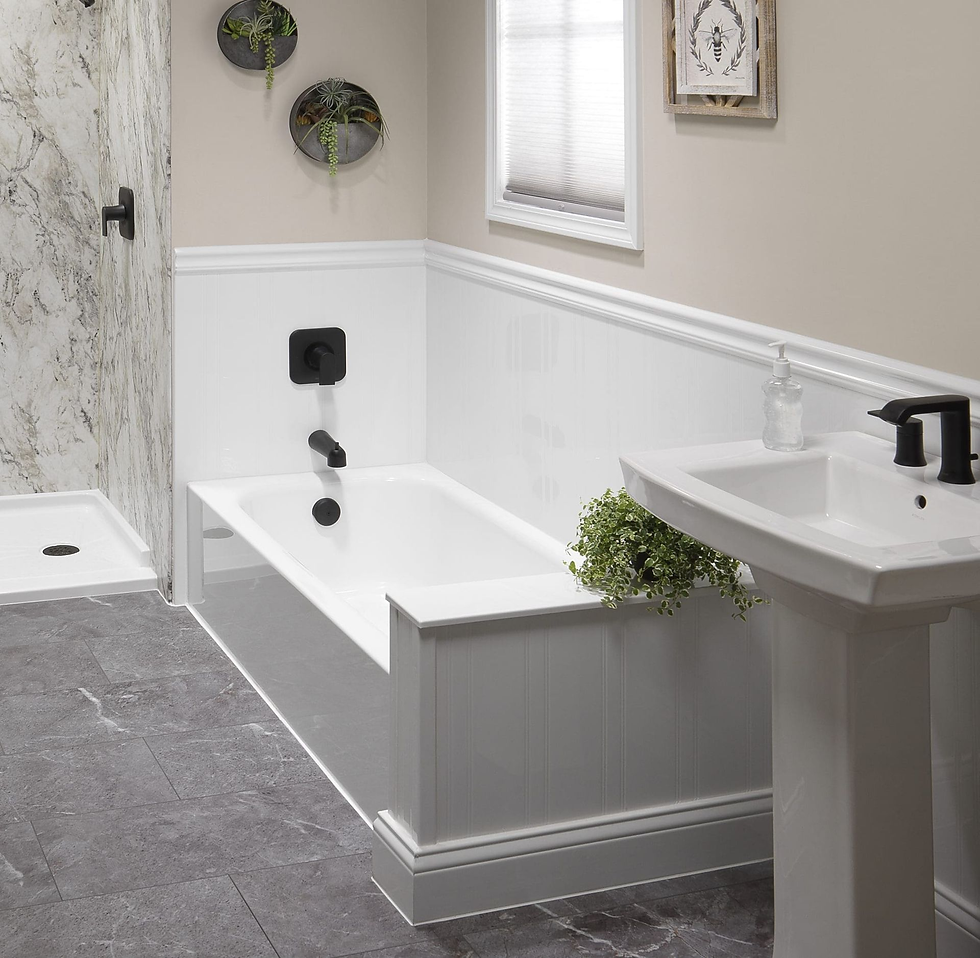
Most people understand that wet floors are slippery. What fewer people appreciate is why slippery surfaces are so specifically dangerous in a bathroom setting — and why the danger is dramatically worse for older adults and people with mobility challenges.
According to the Centers for Disease Control and Prevention (CDC), falls are the leading cause of both fatal and non-fatal injuries among adults aged 65 and older. The bathroom compounds this risk through a unique combination of factors that rarely appear together anywhere else in the home:
• Wet, smooth surfaces with minimal traction underfoot
• Constrained spaces that limit recovery when balance is lost
• Physical transitions — stepping in and out of tubs, lowering onto toilets — that require significant balance and leg strength
• Lack of stable objects to grab when a slip begins
• Hard surfaces everywhere — tile, porcelain, cast iron — that cause serious injuries when contact is made
The Specific Physics of a Bathroom Slip

When a foot contacts a wet tile or tub surface, the coefficient of friction drops dramatically compared to dry conditions. For a healthy young adult, this is often manageable because of fast reflexes, strong core muscles, and the instinctive ability to shift weight and recover balance quickly. For a 70-year-old with reduced muscle strength, slower reaction time, or a vestibular balance condition — all of which are normal parts of aging — that same slip becomes unrecoverable in a fraction of a second.
The fall happens faster than the brain can respond. By the time the nervous system registers the loss of traction and sends a corrective signal to the muscles, the body is already in motion downward. This is why preventing the slip in the first place — or providing a stable support to arrest the fall before it completes — is the only reliable safety strategy. Non-slip mats reduce the initial slip probability. Grab bars give a falling person something immovable to catch.
Where Slippery Surfaces Create the Highest Fall Risk — Room by Room

Not all bathroom surfaces pose equal risk. Understanding the specific locations where slippery surface fall risks are highest helps homeowners and families prioritize where grab bar support is most urgently needed.
High-Risk Location | Why It's Dangerous | Grab Bar Solution |
Shower or bathtub floor | Soap residue and water create extremely slippery surface; stepping in and out requires balance and strength | Horizontal grab bar inside shower/tub at hip height; vertical bar at entry point |
Bathroom floor (wet) | Splashed water, condensation, or wet feet create slip hazards between fixtures | Grab bar at toilet and vanity area; non-slip flooring reinforces but does not replace bar support |
Toilet area | Lowering and rising from toilet requires significant leg strength and balance — dangerous for seniors | Side-mounted grab bar at toilet height; raised toilet seat combined with bar |
Bathroom entrance/threshold | Stepping over a tub threshold or transition strip while wet is a major fall point | Vertical grab bar at entry; consider walk-in shower conversion for highest-risk individuals |
Sink/vanity area | Leaning forward, bending, or standing on one leg while grooming destabilizes balance | Wall-mounted bar near vanity for stability during grooming tasks |
Related Reading: Our blog post on How Poor Bathroom Design Can Increase the Need for Grab Bars explains how the layout of your bathroom determines which locations carry the highest fall risk — and how grab bar placement can be optimized for your specific floor plan. |
Why Non-Slip Mats Are Not Enough — And Why Grab Bars Are Different

The most common response many families make to bathroom fall risk is purchasing a non-slip mat. It's an understandable choice — mats are inexpensive, easy to install, and intuitively seem like they should help. And they do provide some benefit. The problem is that they address only one of the many factors that cause bathroom falls, and they do nothing at all for the most dangerous moments in bathroom use.
Factor | Non-Slip Mat Only | Professionally Installed Grab Bar |
Primary protection type | Surface traction only | Structural support + balance point |
Effective when wet | Partially — can shift or curl | Yes — wall-mounted, immovable |
Supports body weight | No | Yes — up to 250–500 lbs when properly installed |
Helps with rising/sitting | No | Yes — critical for toilet and tub transfers |
ADA compliant option | No | Yes — ADA-compliant bars available |
Useful for mobility issues | Limited | Yes — designed for limited mobility users |
Recommended by CDC | As supplement only | Yes — primary fall prevention tool |
The critical distinction is this: a non-slip mat reduces the chance of initiating a slip on a dry or lightly wet surface. A professionally installed grab bar provides a stable, weight-bearing support point that a person can hold, grip, and pull against throughout the entire bathroom visit — not just when standing still on a mat.
As our blog post on why seniors still fall even with non-slip mats explains, the majority of bathroom falls do not happen because of a single catastrophic slip. They happen because of accumulated small instabilities — a slight loss of balance when turning, a moment of dizziness when rising from the toilet, a reaching motion that shifts the center of gravity past the point of recovery. Grab bars address all of these. Mats address none of them.
Who Is Most at Risk From Slippery Surfaces Without Grab Bar Support

While bathroom falls can happen to anyone, certain groups face dramatically elevated risk from slippery surfaces without proper grab bar support. Understanding who is most vulnerable helps families prioritize safety modifications before an accident occurs.
Seniors and Adults Over 65
The National Council on Aging reports that one in four Americans aged 65 and older falls each year. Several age-related changes combine to make slippery surfaces especially dangerous for this group: reduced muscle strength in the legs and core, decreased balance and vestibular function, slower reflexes, reduced bone density (meaning falls are more likely to cause fractures), and a greater likelihood of taking medications that affect balance or blood pressure.
Individuals Recovering from Surgery or Injury
Post-surgical patients — particularly those recovering from hip replacement, knee replacement, or lower extremity fractures — often have reduced strength and stability for weeks or months after their procedure. During this recovery period, bathroom slippery surfaces pose extreme risk. Grab bars provide the support that allows safe bathroom use during recovery without requiring a caregiver to be present at all times.
People with Neurological or Balance Conditions
Conditions such as Parkinson's disease, multiple sclerosis, stroke-related weakness, and peripheral neuropathy all affect the body's ability to detect and respond to balance changes. For individuals with these conditions, a wet bathroom floor is not a manageable inconvenience — it is a serious hazard. ADA-compliant grab bars installed at appropriate heights and locations provide the stable reference points that the neurological system cannot reliably supply on its own.
Family Caregivers and Household Members
Falls don't only affect the person who falls. A bathroom fall that injures a family member can impose enormous emotional, physical, and financial burdens on the entire household — caregiver time, medical expenses, possible long-term care needs, and the lasting anxiety that a repeat fall could occur. Installing grab bars is as much an investment in the wellbeing of the whole family as it is in the safety of the individual most at risk.
Guests, Visitors, and Short-Term Residents
Many homeowners focus on the permanent residents of a home when considering bathroom safety modifications. But guests — particularly elderly relatives visiting for holidays or family events — are also at significant risk in unfamiliar bathrooms. A grab bar installation benefits everyone who uses the bathroom, not just the person for whom it was primarily installed.
What Proper Grab Bar Support Actually Does — The Mechanics of Fall Prevention
Understanding exactly how grab bars prevent falls from slippery surfaces helps explain why their placement, orientation, and installation quality matter so much.
Providing a Fixed Reference Point for Balance
Human balance depends on multiple input systems — the vestibular system in the inner ear, proprioceptive feedback from muscles and joints, and visual input. When any of these systems is compromised — by age, illness, medication, or simply a momentary distraction — the body loses reliable information about its position in space. A grab bar provides an external reference point that replaces the information these internal systems would normally provide. Gripping a stable bar tells the body where it is and what it can push against to remain upright.
Absorbing Transfer Forces During High-Risk Movements
The moments of highest fall risk in a bathroom are not standing still on a wet floor — they are the transition moments: stepping into a tub, lowering onto a toilet, rising from a seated position, pivoting to reach a towel. Each of these movements shifts the body's center of gravity in ways that require muscular force to control. For someone with reduced leg strength, these movements can exceed the body's available strength to manage safely. A grab bar provides an additional force vector — something to push or pull against — that supplements the body's own muscular output during these transitions.
Arresting a Fall Before It Completes
Even when a slip does occur on a wet surface, a properly placed grab bar gives the falling person something to catch. The instinctive reach for support when balance is lost is one of the fastest human reflexes — but it is only useful if there is something stable within reach to catch. A grab bar at the right location can turn what would have been a serious fall into a brief moment of instability that is safely resolved.
Reducing the Fear of Falling — Which Itself Reduces Falls
Research published by the National Institutes of Health (NIH) has identified fear of falling as an independent risk factor for future falls. When seniors become afraid of falling in the bathroom, they often adopt compensatory behaviors — holding the wall, moving slowly, avoiding certain movements — that paradoxically increase fall risk by disrupting normal movement patterns. Grab bars reduce this fear by providing reliable support, which in turn allows more natural, confident movement that is actually safer.
Why Professional Installation Matters More Than You Think
The difference between a grab bar that prevents falls and one that causes them often comes down entirely to how it was installed. This is one of the most important and frequently underestimated aspects of bathroom grab bar safety. As we explored in our post on why not all grab bars provide long-term safety, a grab bar that pulls away from the wall mid-use is more dangerous than no bar at all.
The Stud-Mounting Requirement
A properly installed grab bar must be anchored directly into wall studs or into a solid blocking board installed within the wall cavity. A bar mounted only into drywall — regardless of the hardware used — will fail when significant force is applied. The force applied to a grab bar during a fall recovery attempt can exceed 250 pounds in an instant. Only a stud-mounted or properly blocked installation can withstand this load reliably.
ADA-Compliant Height and Angle Specifications
The Americans with Disabilities Act (ADA) specifies detailed requirements for grab bar placement — including height ranges, clearances from adjacent surfaces, minimum diameter, and gripping surface requirements. These specifications exist because they reflect the biomechanics of how human bodies actually move and fall. Our professional grab bar installation service ensures every bar meets or exceeds ADA standards for the specific location and use case.
Matching Bar Type to Use Case
Different bathroom locations require different grab bar orientations and types. A horizontal bar at tub height serves a different biomechanical purpose than a vertical bar at tub entry. An angled bar beside the toilet supports a different movement pattern than a side-mounted bar. Our home safety assessments evaluate each location individually and specify the right bar type, orientation, and placement for each specific use.
The Danger of DIY Installation
Many homeowners attempt to install grab bars themselves using retail hardware. Even with good intentions, DIY installation frequently results in bars mounted into drywall only, at incorrect heights, or with insufficient torque on mounting hardware. As our post on small grab bar issues that lead to major accidents explains, a bar that feels firm when tested by hand can fail catastrophically when a person's full weight is applied suddenly during a fall. Professional installation eliminates this risk.
Grab Bar Solutions for Every Bathroom in Los Angeles County
Every bathroom is different, and every household's needs are unique. At Grab Bar Los Angeles, we provide customized grab bar solutions for all bathroom configurations throughout Los Angeles County.
Shower and Bathtub Grab Bars
The shower and bathtub are the highest-risk locations in any bathroom. We install shower grab bars at positions that support entry and exit, mid-shower stability, and reaching movements. Stainless steel bars with textured, non-slip surfaces provide a secure grip even with wet, soapy hands.
Toilet-Area Grab Bars
Rising from and lowering onto the toilet is among the most physically demanding bathroom activities for older adults and post-surgical patients. Our grab bar installers position toilet-area bars at heights and angles that maximize the mechanical advantage available during these transfers, significantly reducing the strength required to complete them safely.
Home Modifications and Accessibility Upgrades
For households with more complex needs, we provide a full range of home modifications beyond grab bars — including raised toilet seats, shower bench installation, walk-in shower conversions, and non-slip surface treatments. These modifications work together to create a comprehensive bathroom safety system rather than relying on any single intervention.
Areas We Serve in Los Angeles County
We proudly install grab bars throughout the region, including Glendale, Burbank, Arcadia, Monrovia, West Covina, Covina, Glendora, La Crescenta, South Pasadena, and La Verne.
The Right Time to Install Grab Bars Is Before a Fall Happens
One of the most consistent patterns we observe in our work across Los Angeles County is that the majority of grab bar installation requests come from families responding to a fall that has already occurred. A parent breaks a hip stepping out of the tub. A spouse falls while rising from the toilet. A family member is discharged from the hospital after a fall-related injury and the home modification that was always vaguely planned becomes urgently necessary.
The medical, emotional, and financial cost of a single serious fall far exceeds the cost of the grab bar installation that would have prevented it. Hip fractures in older adults — one of the most common serious fall injuries — have a one-year mortality rate of approximately 20 to 30 percent and often result in permanent loss of independence. The bathroom modification that prevents this outcome costs a fraction of a single night in the emergency room.
The right time to install grab bars is not after a fall. It is now — while the bathroom is still being used safely, before the accident that changes everything. A professional home safety assessment from our team takes less than an hour and produces a clear, prioritized plan for the modifications that will make the greatest difference for your household.
Related Blog Posts:
Frequently Asked Questions
Q: How do slippery surfaces increase fall risk without grab bar support?
A: Slippery surfaces — wet tile, tub surfaces, and bathroom floors — dramatically reduce the traction available underfoot. Without a stable grab bar to hold, anyone who begins to slip has nothing to arrest the fall. For older adults with reduced reaction time, muscle strength, and balance, a slip on a wet surface becomes unrecoverable almost instantly. Grab bars provide a fixed, weight-bearing support point that the body can use to prevent a slip from becoming a fall.
Q: Are non-slip mats enough to prevent bathroom falls?
A: Non-slip mats provide some protection against initiating a slip on a flat, lightly wet surface. However, they do nothing to support the body during transfers — sitting, rising, stepping in and out of the tub, or reaching — which are the highest-risk moments for older adults. They also do not provide anything to grip if a slip does begin. Grab bars address all of these risks and are the only bathroom safety modification with strong clinical evidence for fall prevention.
Q: Where should grab bars be installed for maximum fall prevention?
A: The highest-priority locations are inside the shower or bathtub, at the toilet, and at the tub or shower entry point. Additional bars near the vanity and at the bathroom entrance are also beneficial. The correct height, orientation, and type of bar depends on the specific use case and the user's mobility needs. A professional home safety assessment determines the optimal placement for each location in your specific bathroom.
Q: How much weight can a professionally installed grab bar support?
A: A properly installed grab bar — mounted into wall studs or solid blocking — can support 250 pounds or more of force, which is sufficient to absorb the forces involved in fall arrest or transfer assistance. Retail suction-cup bars and improperly mounted bars can fail at much lower loads. This is why professional installation into structural wall members is essential, not optional.
Q: Who should consider installing grab bars in their bathroom?
A: Anyone aged 65 or older, individuals recovering from surgery or injury, people with balance or neurological conditions, and any household with a senior family member should consider grab bar installation. Many younger adults with temporary mobility limitations also benefit significantly. Grab bars are also a proactive investment for any homeowner who wants to prepare their home for aging in place.
Q: What is a home safety assessment and do I need one?
A: A home safety assessment is a professional evaluation of your home's existing fall hazards and safety modification needs. Our assessors evaluate each bathroom location, identify the specific risks present, and recommend the appropriate grab bar types, sizes, orientations, and placement positions. This assessment ensures that every dollar invested in safety modifications goes exactly where it will make the greatest difference.
Q: How long does grab bar installation take?
A: Most grab bar installations — including multiple bars in a single bathroom — can be completed in one visit, typically in one to three hours depending on the number of bars and the wall construction. We handle everything from locating studs to final testing of each installed bar. There is minimal disruption and no need for extended preparation or recovery time.
Q: Does Grab Bar Los Angeles serve my area?
A: We serve homeowners, seniors, and families throughout Los Angeles County, including Glendale, Burbank, Arcadia, Pasadena, Monrovia, West Covina, Covina, Glendora, La Crescenta, La Verne, South Pasadena, and many surrounding communities. Call us at 818-939-9615 or visit grabbarlosangeles.com to check availability in your area and schedule a home safety assessment.
References & Reputable Resources
Make Your Bathroom Safe Today
Slippery surfaces don't have to mean dangerous surfaces. The right grab bar, professionally installed in the right location, transforms a high-risk bathroom into a space your family can use with confidence. Grab Bar Los Angeles serves seniors, older adults, and families across Los Angeles County.
CALL NOW: 818-939-9615 Request a Free Home Safety Assessment: grabbarlosangeles.com
Serving Glendale, Burbank, Arcadia, Pasadena, Monrovia, West Covina, Covina, Glendora & all of Los Angeles County |


Comments