
How Poor Bathroom Design Can Increase the Need for Grab Bars
Bathrooms are one of the most frequently used spaces in any home, yet they are also one of the most dangerous. For seniors, people recovering from injuries, individuals with mobility limitations, and even healthy adults, poor bathroom design can significantly increase the risk of slips, falls, and serious injuries.
Many homeowners assume grab bars are only necessary after an accident happens. In reality, the need for grab bars often starts with the way a bathroom is designed. Narrow layouts, slippery flooring, poor lighting, awkward toilet placement, high bathtub walls, and lack of support points can turn simple daily activities into potential hazards.
According to the Centers for Disease Control and Prevention (CDC), falls are the leading cause of injury among adults aged 65 and older, with millions of fall-related injuries occurring every year. Bathrooms present some of the highest risks because they combine water, hard surfaces, and limited space.
Understanding how poor bathroom design contributes to accidents can help homeowners create safer environments and recognize when professionally installed grab bars become essential.
Signs That Poor Bathroom Design Requires Grab Bars

Most rooms in a home offer multiple points of stability. Bathrooms are different.
The combination of wet floors, tile surfaces, porcelain fixtures, tight spaces, and frequent transitions between sitting, standing, stepping, and turning creates an environment where balance can be challenged at any moment.
Research from the CDC found that more than 80% of bathroom injuries were caused by falls.
Even a minor loss of balance can lead to:
Hip fractures
Head injuries
Broken wrists
Shoulder injuries
Long-term mobility problems
Loss of independence
For many families, a single bathroom fall becomes the moment they realize safety modifications should have been installed earlier.
You can learn more about common household risks in our guide on Bathroom Safety for Seniors:
Poor Bathroom Design Problem 1: Slippery Flooring

One of the biggest contributors to bathroom falls is flooring.
Many bathrooms use smooth tile, polished stone, or glossy materials that become extremely slippery when wet. Water from showers, sinks, and tubs can spread quickly across the floor, creating dangerous conditions.
The problem becomes even worse when homeowners use:
Loose bath mats
Rugs without grip backing
Worn-out flooring
Uneven surfaces
While non-slip flooring can help reduce risks, grab bars provide an additional layer of protection by giving users a secure point of contact when moving around the bathroom.
Experts consistently recommend combining slip-resistant surfaces with strategically placed grab bars for maximum safety.
Poor Bathroom Design Problem 2: High Bathtub Walls
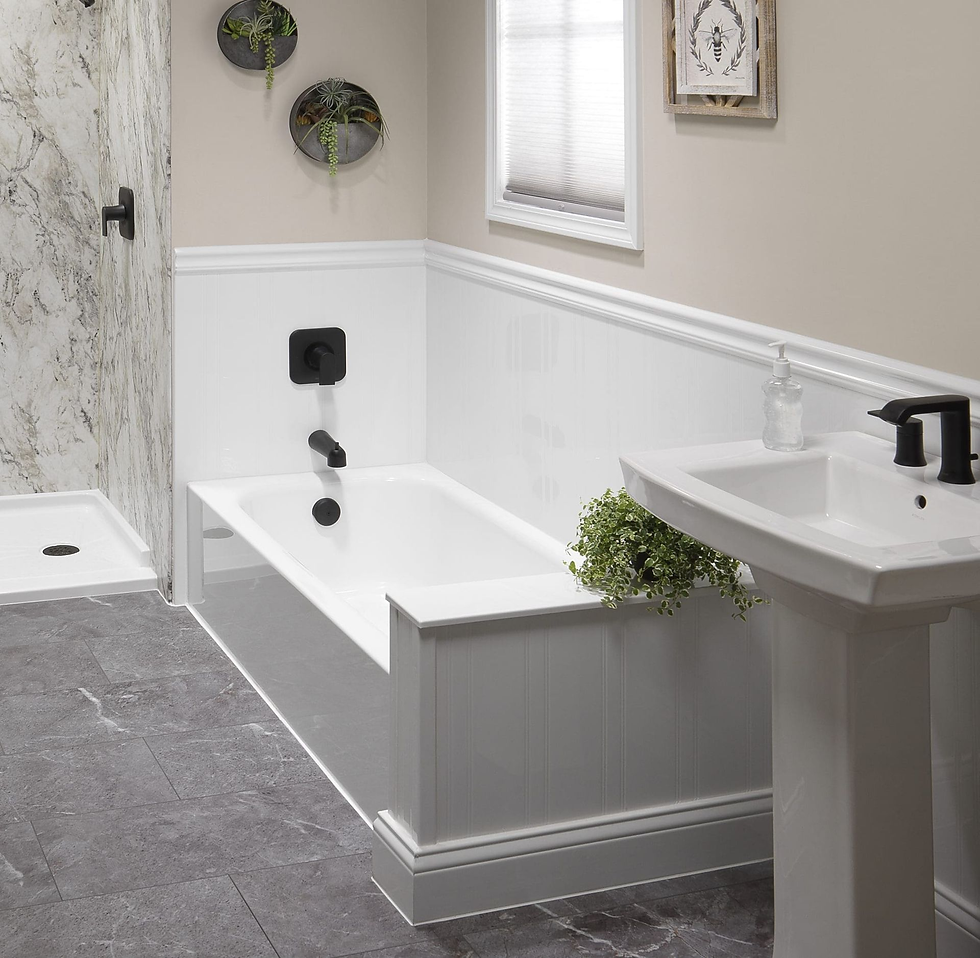
Traditional bathtubs often require users to step over a high edge when entering or exiting.
This seemingly simple movement becomes increasingly difficult for:
Older adults
Individuals with arthritis
People recovering from surgery
Anyone experiencing balance issues
Stepping over a bathtub wall while standing on a wet surface creates one of the most common fall scenarios in residential bathrooms.
Without grab bars, users often rely on towel bars, shower doors, counters, or unstable surfaces for support. These features are not designed to hold body weight and can fail when pressure is applied.
Professionally installed grab bars near tub entrances create a safer transition point and help prevent dangerous slips.
Poor Bathroom Design Problem 3: Lack of Support Near Toilets

Many homeowners focus only on showers and tubs when thinking about bathroom safety.
However, toilets are another major area where falls occur.
Sitting down and standing up requires strength, balance, and stability. This becomes more difficult as people age or experience mobility challenges.
A poorly designed bathroom may place the toilet:
Too far from walls
In narrow corners
Without nearby support
In awkward positions requiring twisting motions
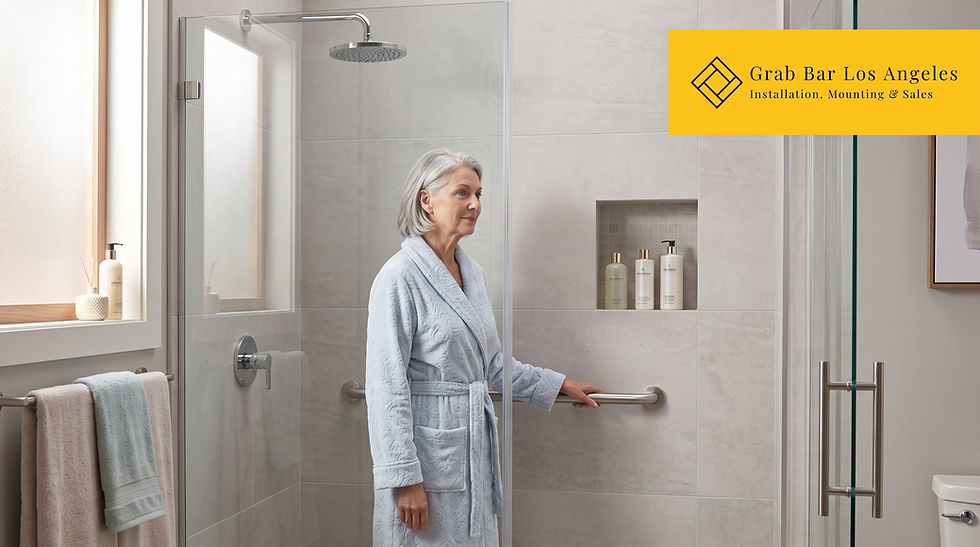
Grab bars installed beside toilets provide essential assistance during transfers and can dramatically reduce fall risks.
The CDC's home safety checklist specifically recommends installing grab bars next to toilets and inside bathing areas.
Poor Bathroom Design Problem 4: Inadequate Lighting

Many bathroom accidents occur during nighttime trips.
Poor lighting makes it difficult to identify:
Wet spots
Obstacles
Changes in flooring
Edges of tubs
Toilet locations
Older adults are particularly vulnerable because age-related vision changes can reduce contrast sensitivity and depth perception.
Even a well-designed bathroom can become dangerous if visibility is poor.
Improved lighting combined with grab bars helps users maintain orientation and stability when moving around the room.
Healthcare professionals frequently recommend brighter lighting and grab bars as part of comprehensive fall-prevention strategies.
Poor Bathroom Design Problem 5: Tight and Cluttered Spaces

Many bathrooms are built with limited square footage.
When space is tight, users may need to:
Turn frequently
Navigate around obstacles
Reach awkwardly
Step sideways
Maneuver around furniture or storage items
These movements increase the likelihood of losing balance.
Research has shown that bathroom falls are more likely to result in injuries than falls occurring in other areas of the home.
Strategically placed grab bars create secure support points throughout the room, helping users move more confidently even in smaller spaces.
Poor Bathroom Design Problem 6: No Consideration for Aging in Place

One of the biggest design mistakes homeowners make is planning bathrooms only for current needs.
A bathroom that works perfectly for a healthy 40-year-old may become difficult to navigate at age 70 or 80.
Aging in place involves designing homes that remain safe and functional as mobility changes over time.
Common aging-in-place upgrades include:
Walk-in showers
Grab bars
Raised toilets
Wider entryways
Improved lighting
Non-slip flooring
Unfortunately, many older homes were not designed with these features in mind.
As a result, homeowners often discover the need for grab bars only after a fall, injury, or medical diagnosis.
Our article on Why Many Los Angeles Homes Are Not Safe for Aging Parents Yet explains why so many homes require safety upgrades:
Why Proper Grab Bar Installation Matters
Installing grab bars is not enough.
They must be professionally installed and securely anchored into wall studs or approved structural supports.
Unfortunately, many DIY installations fail because bars are attached only to drywall, tile, or inadequate anchors.
When someone places their full weight on an improperly installed grab bar during an emergency, the bar can pull away from the wall.
This creates an even greater risk of injury.
Learn more about proper installation:
Real-Life Safety Often Starts After a Close Call
Many families delay bathroom safety upgrades because they believe accidents are unlikely.
Unfortunately, many homeowners only act after experiencing a frightening incident.
A slip in the shower.A near-fall getting off the toilet.A loved one losing balance while stepping out of the tub.
These close calls often become wake-up calls.
Our article He Slipped Once — That Was Enough shares real stories from families who chose safety improvements after experiencing a scare:
Signs Your Bathroom May Need Grab Bars
You should consider grab bar installation if:
You feel unsteady entering or exiting the shower
You use walls or counters for support
A family member has fallen before
You care for an aging parent
You recently had surgery
You experience dizziness or balance issues
You are planning to age in place
You worry about bathroom safety at night
Waiting until after an accident occurs can significantly increase the risk of serious injury.
Proactive safety improvements help maintain independence and confidence for years to come.
Frequently Asked Questions
Do grab bars mean someone is disabled?
No. Grab bars are safety devices that benefit people of all ages. Many homeowners install them proactively to reduce the risk of falls and make bathrooms safer.
Where should grab bars be installed in a bathroom?
The most common locations include inside showers, near bathtub entrances, beside toilets, and along pathways where additional support may be needed.
Can towel bars be used instead of grab bars?
No. Towel bars are not designed to support body weight and can detach from the wall during use. Only professionally installed grab bars should be used for support.
Are bathroom falls really that common?
Yes. Studies show that bathrooms are among the most common locations for household falls, particularly among older adults. Most bathroom injuries are caused by falls.
How do I know if my grab bars are installed correctly?
A professional installer should anchor grab bars into wall studs or use approved structural reinforcement methods. Loose or improperly installed bars can fail during emergencies.
Are grab bars only for seniors?
No. People recovering from injuries, individuals with disabilities, pregnant women, and anyone concerned about stability can benefit from grab bars.
Make Your Bathroom Safer Before an Accident Happens
Poor bathroom design often creates hidden hazards that increase the likelihood of slips, falls, and injuries. Whether it's slippery flooring, poor lighting, high bathtub walls, or lack of support near critical areas, these design issues can quickly turn everyday routines into safety risks.
At Grab Bar Los Angeles, we help homeowners create safer bathrooms through professionally installed grab bars designed for long-term reliability and peace of mind. Our team understands how bathroom design affects safety and can recommend solutions that fit your home's layout and your family's needs.
Don't wait for a fall to reveal a problem. Contact Grab Bar Los Angeles today to schedule a professional assessment and make your bathroom safer for years to come.


Comments