
Cost to Install Bathroom Grab Bars: What Actually Drives the Price

Search for the cost to install bathroom grab bars and the numbers that come back vary wildly — sometimes by a factor of three or four for what looks like the same job. That range isn't inconsistent pricing; it reflects genuinely different scopes of work hiding behind the same simple-sounding request. A grab bar installed into open drywall and one installed into tile over cement board in an older bathroom are not the same job, even if the finished bar looks identical.
This breaks down what actually drives the price of a bathroom grab bar installation, so the number you're quoted makes sense rather than feeling arbitrary.
The Bar Itself Is Rarely the Biggest Cost
A single ADA-compliant grab bar, properly rated for a 250-pound load, typically represents a modest portion of the total project cost. Material quality matters — stainless steel with a textured grip surface costs more than a basic chrome-finished bar — but even a higher-end bar is usually not what separates a $150 quote from a $400 one. The bigger cost driver is almost always what it takes to install that bar correctly.
Wall Material Is the Single Biggest Price Variable
This is where most of the cost difference actually comes from. Installing a grab bar into standard drywall over an accessible stud is relatively quick work. Installing the same bar into tile requires a glass-and-tile drill bit, a slower, more careful drilling process to avoid cracking the surface, and often more time spent confirming the anchor point reaches real blocking behind the tile rather than just the tile itself. Fiberglass shower surrounds add another layer of complexity, since the surround flexes and the anchor has to reach solid backing behind it without compromising the surround's structural integrity.
Older homes without wall blocking planned around grab bar placement raise the cost further, since the installer may need to open a small section of wall to confirm stud location or install a backing plate before mounting anything.
Number of Bars Needed
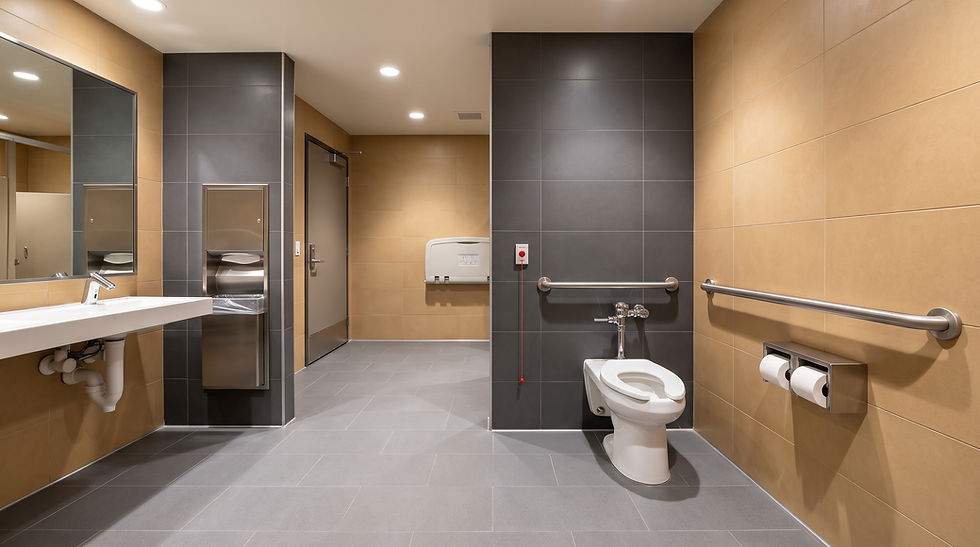
A single toilet-area bar costs less than a full bathroom retrofit involving separate bars at the toilet, shower, and tub. Because ADA-recommended layouts often call for two bars working together in a given area — a side-wall and rear-wall bar near a toilet, for example — the real project cost is frequently driven by how many locations need coverage, not just how many bars get purchased.
Wondering what a full assessment would cost for your bathroom? Pricing depends on your specific wall types and how many locations need coverage. Contact us for a straightforward quote based on your actual bathroom.
Labor Time and Access
A bathroom with easy access — no tight corners, no obstructions around the installation area — takes less time than one where the installer has to work around a vanity, a toilet tank, or a shower enclosure with limited clearance. This is a less obvious cost factor, but it's a real one: the same bar installed in a cramped powder room often takes measurably longer than the identical bar installed in a spacious primary bathroom.
Why the Cheapest Quote Isn't Always the Best Value
A lower price sometimes reflects a shortcut rather than efficiency — skipping the wall assessment step, assuming stud location rather than confirming it, or using lighter-duty anchors that aren't rated for the bar's full load capacity. The actual cost of a failed installation isn't just the price of redoing it; it's the risk that the bar doesn't hold when someone relies on it. Our guide on why families wait too long before installing bathroom grab bars touches on how delaying this decision — often over cost concerns — carries its own risk that's easy to underestimate.
Permits and Inspections (When They Apply)
For most residential installations, a permit isn't required — grab bars are generally treated as a minor accessibility modification rather than structural work. That changes in a few situations: rental properties, multi-family housing, and commercial or medical spaces may require permits or inspections to confirm ADA compliance, which adds both time and a modest cost to the project. Homeowners planning a broader bathroom remodel that includes grab bar installation as part of the scope should check with their contractor whether the overall project triggers permit requirements, even if the grab bars themselves wouldn't on their own.
Repairs From Previous Installations
An often-overlooked cost factor: if a bathroom already has a grab bar that was installed incorrectly — into drywall alone, or with hardware that's since corroded or loosened — removing and patching that installation before putting in a properly anchored replacement adds to the project. This is more common than it might seem, particularly in homes where a grab bar was added years ago without professional installation. Factoring in this kind of cleanup work upfront, rather than discovering it mid-installation, helps avoid a quote that changes significantly once the job is underway.
Ways to Manage the Cost Without Cutting Corners

Bundle multiple locations into one visit — installing toilet, shower, and tub bars in a single appointment is typically more cost-effective than scheduling them separately
Choose bars rated for the job, not the cheapest option available — a lower-quality bar that needs replacing later costs more over time than a properly rated one installed once
Ask what the quote actually includes — wall assessment, anchoring method, and testing should all be part of the price, not treated as optional add-ons
Ready for a quote based on your actual bathroom, not a generic estimate? Our professional installers assess your specific wall types and layout before pricing the job. See our grab bar installation service to get started.
How to Compare Quotes Apples to Apples
When comparing quotes from different installers, it helps to ask the same set of questions of each one: what wall type assessment is included, whether the quote covers patching and cleanup if blocking needs to be accessed, what load testing happens after installation, and whether the quoted price is per bar or per visit. Two quotes that look wildly different on paper sometimes reflect the same actual scope of work described differently — and sometimes reflect genuinely different levels of thoroughness. Asking these questions upfront makes the comparison meaningful rather than just comparing bottom-line numbers.
The Cost of Waiting

It's worth weighing installation cost against what a fall actually costs — in medical expenses, recovery time, and loss of independence. Our piece on bathroom grab bars, safety, and independence looks at this from the other direction: what a well-placed, properly installed bar actually protects against, beyond the installation invoice itself. And for a closer look at how a single preventable fall often prompts installation only after the fact, see don't wait for a fall to happen.
Frequently Asked Questions
1. What's the average cost to install a bathroom grab bar?
Cost varies significantly based on wall material and number of bars needed. Standard drywall installations are generally less expensive than tile or fiberglass installations, which require more specialized technique and time.
2. Why does tile installation cost more than drywall?
Tile requires a glass-and-tile drill bit, slower drilling to avoid cracking the surface, and extra care confirming the anchor reaches blocking behind the tile rather than just the tile itself — all of which add labor time compared to standard drywall.
3. Is it cheaper to install multiple grab bars at once?
Generally, yes. Bundling toilet, shower, and tub installations into a single visit typically costs less overall than scheduling separate appointments for each location.
4. Does the brand or material of the grab bar significantly affect the price?
Material quality affects price somewhat — stainless steel with a textured grip costs more than a basic finish — but it's usually a smaller factor than wall type and labor time in the overall project cost.
5. Should I be suspicious of a very low installation quote?
It's worth asking what the quote includes. A significantly lower price sometimes reflects skipped steps, like a full wall assessment or proper load testing, rather than genuine efficiency.
6. How many grab bars does a typical bathroom need?
It depends on the layout, but many bathrooms benefit from multiple bars — for example, a side-wall and rear-wall bar near the toilet, plus separate bars in the shower or tub area.
7. Are there ways to reduce installation costs without sacrificing safety?
Bundling multiple locations into one visit, choosing properly rated bars the first time instead of cheaper options that may need replacing, and confirming what's included in a quote are all ways to manage cost without cutting corners on safety.


Comments