
Bathroom Safety for Elderly Family Members: Warning Signs You Shouldn't Ignore
- Jun 22
- 5 min read
For many seniors, the bathroom is one of the most dangerous rooms in the home.
Slippery floors, limited mobility, poor balance, and hard surfaces create the perfect conditions for falls and injuries. While many families focus on helping older loved ones remain independent, they often overlook warning signs that a bathroom may no longer be safe.
The reality is that even a small slip can lead to serious injuries, hospital stays, and long recovery periods for older adults.
Understanding the warning signs early can help families make simple improvements before an accident occurs.
Why Bathroom Safety for Elderly Family Members Should Never Be Ignored

Maintaining proper bathroom safety for elderly family members becomes increasingly important as mobility, balance, and strength change with age. Identifying hazards early can help prevent falls and allow seniors to remain independent longer. Bathrooms combine several hazards in a relatively small space.
These include:
Wet and slippery surfaces
Limited room for movement
Hard tile flooring
High bathtub walls
Low toilet seats
Poor lighting
Lack of support when standing or sitting
According to the Centers for Disease Control and Prevention (CDC), falls are one of the leading causes of injury among older adults.
Many of these falls happen inside the home, with bathrooms being among the highest-risk locations.
Sign 1: Difficulty Getting In and Out of the Bathtub
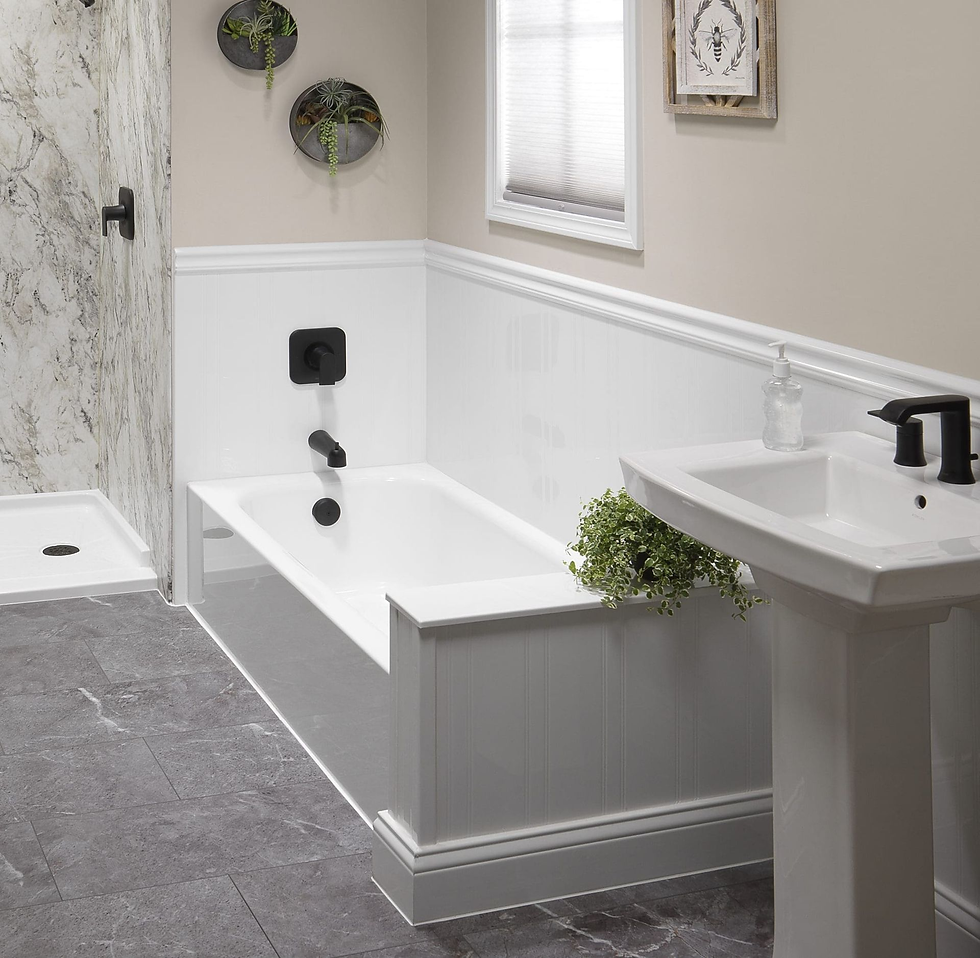
One of the earliest warning signs is when a senior begins struggling to step over a bathtub wall.
Watch For:
Holding onto walls for support
Moving slowly when entering or exiting
Hesitation before stepping in
Asking for assistance
Why It Matters
Bathtub edges create a tripping hazard, especially for individuals with reduced balance or joint mobility.
Safer Alternative
Installing a walk-in shower and professionally mounted grab bars can significantly reduce fall risks.
Sign 2: Holding Onto Towel Bars or Counters

Many seniors instinctively reach for nearby objects when they feel unsteady.
Common Problem Areas
Towel bars
Vanity countertops
Shower doors
Toilet paper holders
Hidden Danger
These fixtures are not designed to support body weight.
If they break loose, they can cause serious injuries.
Better Solution
Professionally installed grab bars provide reliable support during daily bathroom activities.
Sign 3: Slippery Floors After Every Shower

Water on bathroom floors creates one of the most common causes of falls.
Signs to Look For
Puddles near tubs or showers
Wet tile floors
Loose bath mats
Water tracking across the room
Safety Improvements
Non-slip flooring
Shower thresholds designed to contain water
Proper drainage
Grab bars near entry and exit points
Sign 4: Trouble Standing Up From the Toilet

Difficulty rising from a toilet can indicate mobility challenges.
Warning Behaviors
Rocking forward repeatedly
Using countertops for leverage
Needing assistance from another person
Complaints of knee or hip discomfort
Recommended Upgrades
Comfort-height toilets
Toilet safety rails
Grab bars beside the toilet
These additions help seniors maintain independence while reducing strain.
Sign #5: Increased Fear of Falling

Sometimes the biggest warning sign isn't physical—it's emotional.
Listen for Statements Like:
"I'm afraid of slipping."
"Can you wait outside the bathroom?"
"I don't feel steady anymore."
Fear often develops before an actual accident occurs.
Addressing safety concerns early can help restore confidence.
Sign 6: Poor Lighting Around the Bathroom
Aging eyes require more light to safely navigate spaces.
Common Lighting Issues
Dim vanity lights
Dark shower areas
Poor nighttime visibility
Shadows near steps or thresholds
Simple Solutions
LED lighting upgrades
Motion-activated nightlights
Additional task lighting
Good visibility helps prevent trips and falls.
Sign 7: Lack of Grab Bars in Key Areas
One of the clearest signs a bathroom may not be senior-friendly is the absence of properly installed grab bars.
Essential Locations
Near the Toilet
Provides support when sitting and standing.
Inside the Shower
Improves stability while bathing.
Outside the Shower
Helps prevent slips when stepping onto dry flooring.
Professionally installed grab bars are among the most effective bathroom safety improvements available.
Sign 8: Difficulty Navigating a Small Bathroom Layout
As mobility decreases, cramped spaces become more challenging.
Potential Issues
Limited turning space
Obstructed walkways
Bulky cabinets
Narrow doorways
Why It Matters
Mobility aids such as walkers require additional clearance.
Bathroom modifications can improve accessibility without requiring a complete remodel.
Sign 9: Previous Slips or Near-Falls
A near-fall should never be ignored.
Warning Signs Include
Catching themselves on walls
Losing balance while exiting the shower
Slipping but avoiding injury
Frequent stumbling
Many serious falls are preceded by several near-misses.
Treating these incidents as warning signs allows families to act proactively.
Sign 10: Bathroom Features Installed Decades Ago
Older bathrooms often lack modern safety features.
Common Concerns
High tub walls
Smooth tile floors
Low toilets
Inadequate lighting
Lack of support bars
What worked safely decades ago may no longer meet the needs of aging adults.
How Bathroom Accessibility Improvements Increase Safety
Small modifications can make a significant difference.
Grab Bar Installation
Provides reliable support throughout the bathroom.
Walk-In Showers
Eliminate dangerous step-over barriers.
Non-Slip Flooring
Improves traction on wet surfaces.
Comfort Height Toilets
Reduce strain on knees and hips.
Improved Lighting
Enhances visibility and confidence.
Learn more in our related article:
Why Aging in Place Starts With Bathroom Accessibility Improvements
The Cost of Waiting Too Long
Many families delay bathroom safety upgrades because no injury has occurred yet.
Unfortunately, waiting for an accident often leads to:
Emergency room visits
Fractures
Reduced independence
Long recovery periods
Higher medical expenses
Preventive modifications are almost always less expensive than dealing with the consequences of a serious fall.
Frequently Asked Questions
What is the most common bathroom hazard for seniors?
Slippery floors are among the most common causes of bathroom falls.
Are towel bars safe to use for support?
No. Towel bars are not designed to support body weight.
Where should grab bars be installed?
Near toilets, inside showers, and outside shower entrances.
How do I know if my parent's bathroom is unsafe?
Look for difficulty standing, fear of falling, near-falls, slippery surfaces, and lack of support features.
Are walk-in showers safer than bathtubs?
For many seniors, yes. Walk-in showers eliminate the need to step over a high tub wall.
Can bathroom modifications help seniors stay independent?
Absolutely. Many modifications are specifically designed to support aging in place.
How often should bathroom safety be evaluated?
Whenever mobility, balance, or health conditions change.
Are grab bars only needed after a fall?
No. Grab bars are most effective when installed before a fall occurs.
What type of flooring is safest for seniors?
Slip-resistant flooring designed for wet environments is typically recommended.
Can a professional assess bathroom safety risks?
Yes. Accessibility specialists can evaluate bathrooms and recommend appropriate modifications.
Make Your Bathroom Safer Before an Accident Happens
If your loved one is showing any of these warning signs, now is the time to take action.
Simple bathroom modifications can dramatically reduce fall risks, improve confidence, and help seniors remain independent longer.
At Grab Bar Los Angeles, we specialize in professional grab bar installation and bathroom safety solutions designed to support aging in place.
Website: https://www.grabbarlosangeles.com/
Call Today: (310) 961-3495
Schedule a bathroom safety assessment and help protect the people who matter most.


Comments